

.jpeg)
There are veterans living in the United States right now who cannot file a benefits claim, join a peer support group, or access mental health care because they do not have reliable internet.
Not because they aren't unwilling. Not because the services do not exist. Because the signal does not reach them.
For veterans living on tribal lands, this is not an edge case. It is the reality. According to the FCC's 2024 Section 706 Report, approximately 23% of people living on tribal lands lack access to high-speed internet, compared to about 7% of the overall U.S. population. In Arizona specifically, the gap is even more severe, with 60% of tribal community residents lacking broadband connectivity, according to the Ford Foundation.
This work is about closing that gap. And the communities leading it know exactly what is at stake.
Why This Population Is So Hard to Reach
American Indian and Alaska Native veterans are one of the most underserved populations in the country. They serve at higher rates than almost any other demographic group. They return home to communities that often have limited VA infrastructure, limited broadband, and limited access to the kind of peer support that research consistently shows reduces suicide risk.
The result is a population that has sacrificed more and received less.
The VA's own data confirms what many community advocates have long known. Among veterans in VHA care, suicide rates in 2023 were highest for American Indian or Alaska Native veterans. AI/AN people overall were 91% more likely to die by suicide than the U.S. population in 2022, according to the HHS Office of Minority Health. Across all veterans, the VA reports an average of 17.6 veteran suicides per day. For Native veterans, geographic isolation, historical trauma, and disrupted access to care compound that number further.
The VA has invested heavily in clinical services. But the veterans most at risk are frequently the ones who never access VA care at all. They are too far from a clinic. Their internet is too slow or nonexistent for telehealth. And the standard outreach model was not built for them.
What Connectivity Makes Possible
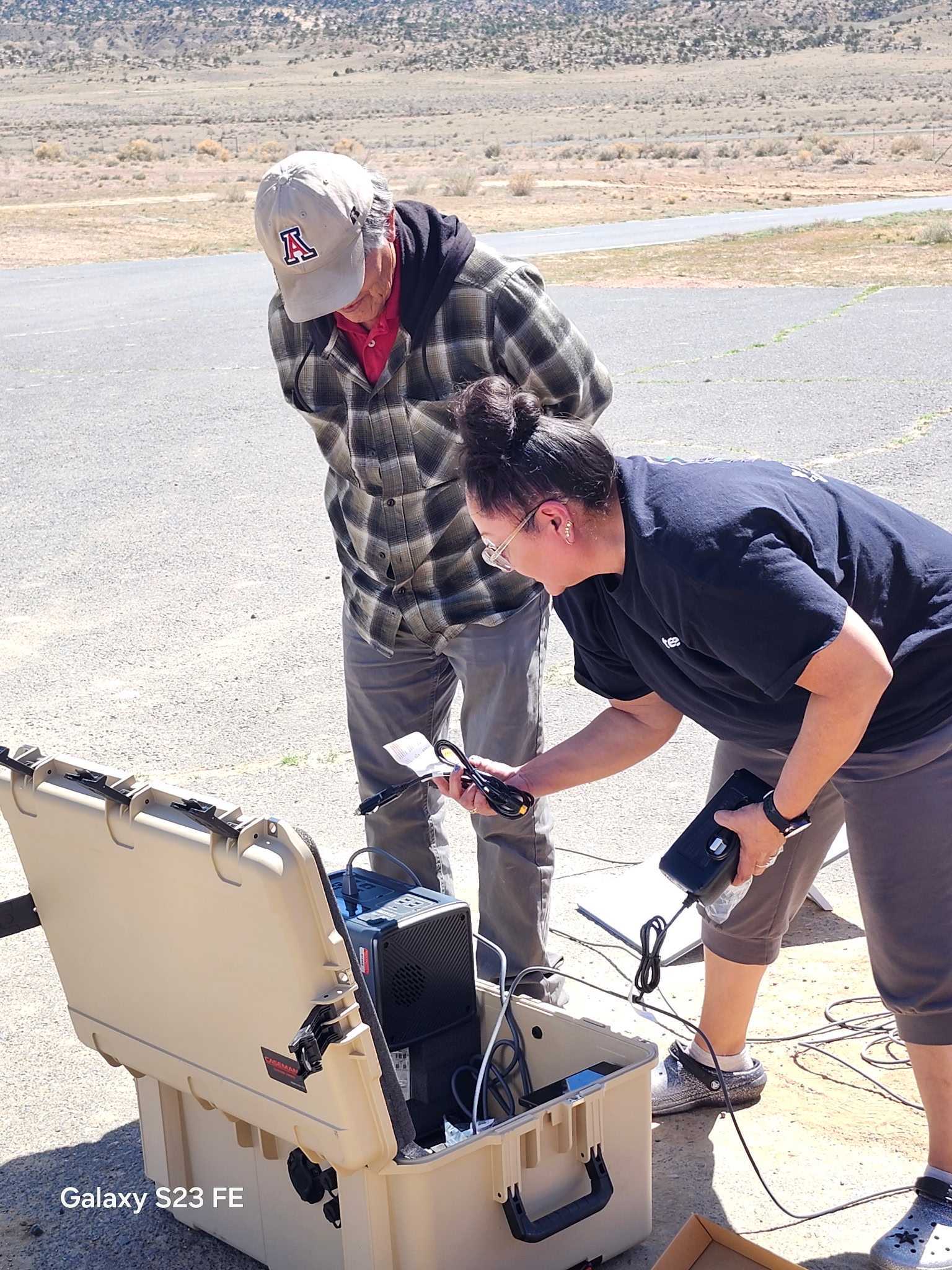
Since 2024, Televeda in partnership with the Arizona Department of Veterans Services, the Tribal Connectivity Project, also known as Roger That, has deployed 23 Starlink kits across 10 tribes and 2 tribal VSOs in Arizona. The partnership, covered by KJZZ in November 2025, has already reached the Navajo Nation, the Hopi Tribe, San Carlos Apache, Gila River, Colorado River Indian Tribe, Tohono O'odham, Pascua Yaqui, and others, with active outreach continuing to the remaining tribes. The original goal was 16 kits. That was surpassed. The new goal is 16 more by the end of 2026, covering all 22 federally recognized tribes in the state.
The numbers behind those kits tell the real story. Forty-five veterans have been connected with resources. Fifteen Veteran Benefit Counseling appointments have been scheduled. The kits have been used 125 times in a single month. And since the program launched, 118 socialization and healing events have been hosted across tribal communities, from Fort Defiance to Black Mesa to the Cocopah Indian Tribe.
Veterans who previously had no reliable internet can now access VA services online. They can complete benefits applications without a multi-hour round trip to the nearest VSO office. They can join a telehealth appointment from home. They can connect with peer support programming that meets them where they are, on their terms, in a culturally appropriate environment.
.jpeg)
Mobile internet kits, including tablets, printers, and computers, are also going out to veterans across these communities so they can book appointments, sign up for benefits, and stay connected with family. Learn more about this work with Native American veterans here.
Janice Talas-Denny, Televeda's Tribal Veteran Support Coordinator, has been central to this effort from the start. She is not just installing equipment. She is the trusted face in communities that have every reason to be skeptical of outside organizations.
Teresa Manygoats, Bureau Chief at the Arizona Department of Health Services, has seen the impact firsthand. "The massive strides they have made in tribal connectivity cannot be understated," she said. "This is how public-private partnerships should be done so it can meaningfully help communities."
That recognition extends to Arizona's official statewide strategy. Televeda is listed as a named implementation partner in the Arizona Health Improvement Plan's Mental Well-Being strategies, including specific leadership around social isolation and expanding telehealth access for rural and underserved populations.
Connection Is Not Just Bandwidth
Getting online is only the beginning. What veterans in these communities need once they are connected is not just access to portals and paperwork. They need to be seen. They need peers. They need community.
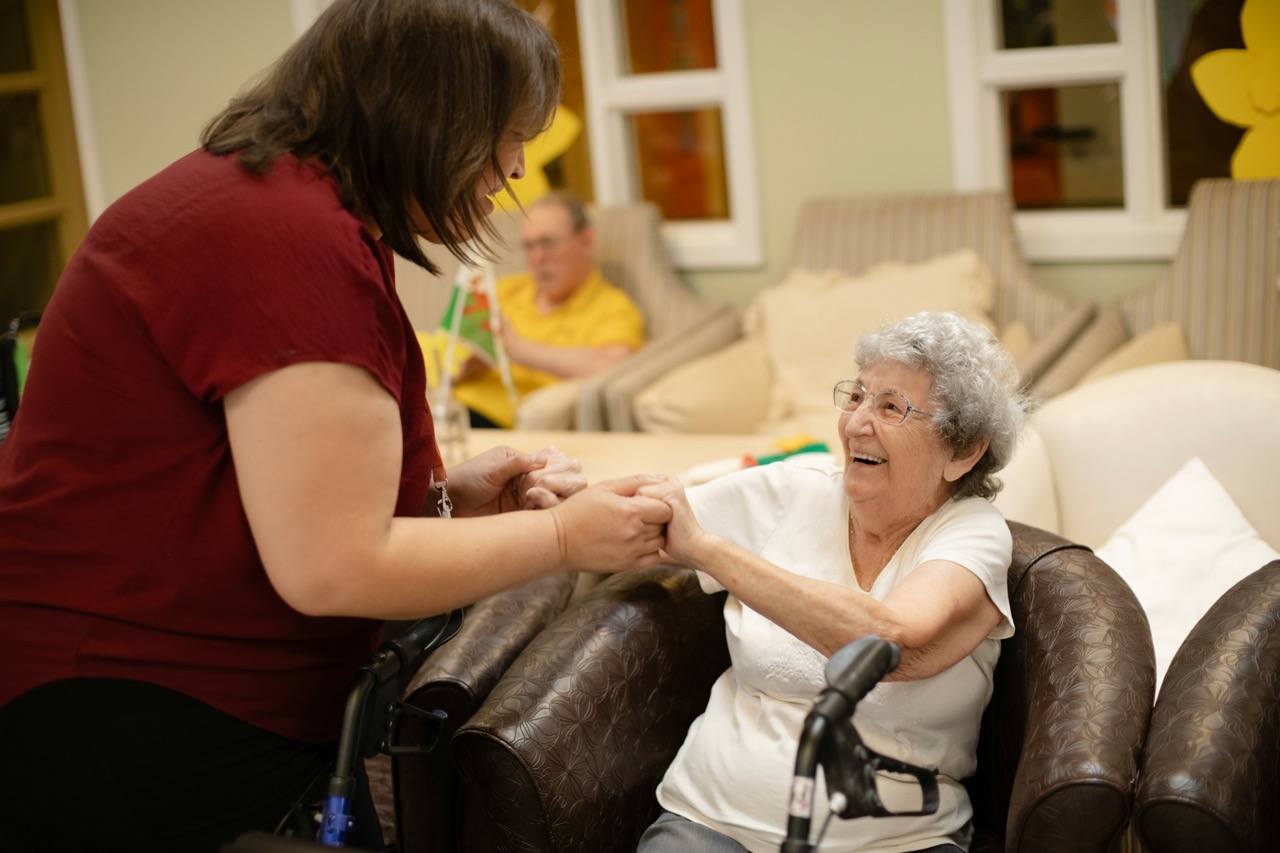
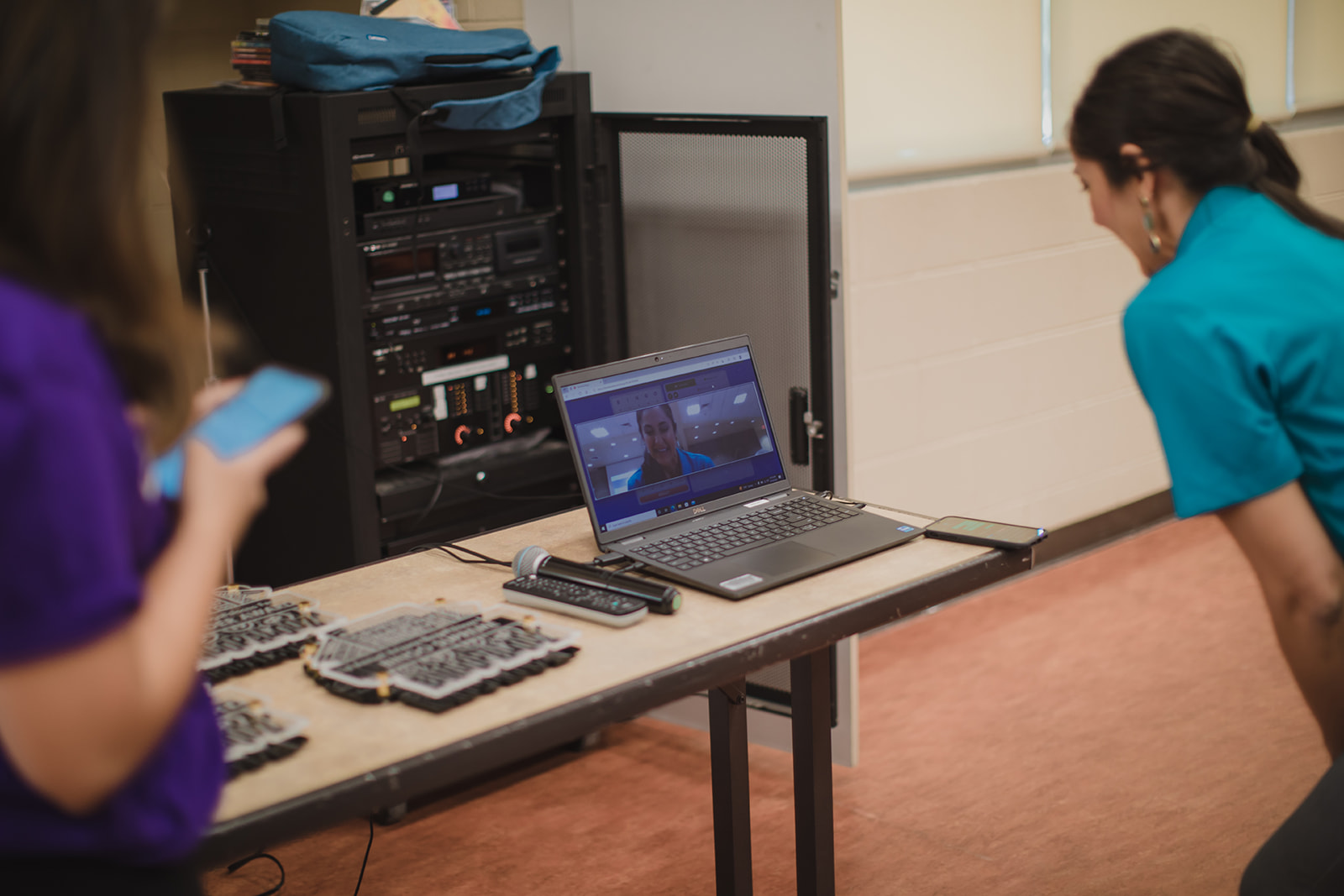
Virtual Talking Circles are designed to provide exactly that, specifically for Native and tribal veteran communities. Talking circles are a traditional healing modality with deep cultural roots. The digital platform honors that tradition by creating safe, private spaces where veterans can share their stories, receive peer support, and connect with others who understand what they have lived.
These are not generic wellness sessions. They are built around the values, languages, and healing frameworks of each community, facilitated by peers with lived experience, and developed as a collaborative with AI/AN veteran focus groups. They reach veterans who would never have walked into a clinic.
Minifred Lilly, Veterans Officer at the Navajo Nation Veterans Administration, described the effect on her work directly. "The Televeda team has been highly supportive. You can see they are full of passion and truly care about serving the Dine community. I get help for all the logistics, collateral, curriculum, and trauma specialists so that we can grow our impact and services in the region."
Bobbie Baldwin, Executive Director of the Navajo Nation Veterans Administration, put the significance plainly: "This is the first time the Navajo Nation VA is offering talking circles to the veterans. It is historic as it is much needed. Early feedback from the veterans and Navajo Spring Council have been highly motivating."
Virtual Talking Circles are part of the broader Hero's Story Project, the first Indigenous, community-based platform to facilitate a trusted network of culturally appropriate interventions for Native veteran mental health. The project was recognized by the VA's Mission Daybreak challenge, which awarded Televeda a $3 million award as one of ten winners of the $20 million national competition to reduce veteran suicide.
What the Data Tells Us
Social isolation is not just painful. It is physically dangerous. Research links chronic loneliness to a 29% higher risk of heart disease and a 32% higher risk of stroke, with significantly elevated rates of depression, anxiety, and substance use disorders.
For veterans, the risks are compounded. For Native veterans in rural areas, they are compounded again. The good news is that peer connection works. Studies consistently show that peer support programs reduce isolation, improve mental health outcomes, and serve as upstream intervention that can prevent crisis before it requires a clinical response.
The challenge is reach. You cannot connect people who cannot get online.
Jessica Roza of Arizona Veterans' Services has seen what changes when that barrier is removed. "Our virtual women veterans peer support group runs every Thursday evening. We have had women from Navajo County, Apache County, homebound veterans who otherwise would not be able to meet, connect with other women veterans and share."
That is what this work is ultimately about. Not a device. Not a satellite dish. A woman in a rural county who finally has somewhere to go.
What Comes Next
The policy landscape is shifting in ways that matter. The Rural Health Transformation Program (RHTP) represents a new wave of state-level funding specifically directed at rural health solutions, giving states real resources to invest in the kind of connectivity, peer support, and digital literacy infrastructure that tribal and frontier communities have long needed but rarely received. That funding exists now. The question is whether it reaches the populations who need it most.
Arizona is a proof of concept, and the work is already expanding. Through the Hero's Story Project, active partnerships are underway with the Navajo Nation Veterans Administration and tribal communities in New Mexico and Alaska. Virtual Talking Circles are reaching AI/AN veterans across these regions today, in communities where physical care infrastructure remains limited or nonexistent.
The needs extend further still, across Montana, the Northern Plains, and dozens of other states where Native veterans live with little to no broadband coverage. The infrastructure model is replicable. The programming model is scalable. What is needed is the will to prioritize these communities and the partnerships to make it happen.
If you are a government agency, health plan, tribal organization, or community partner working with rural or Native veteran populations, let's talk about what is possible.
These veterans have earned it.
Televeda is a HIPAA and NIST-compliant social health platform with a mission to alleviate social isolation, loneliness, and suicide risk among veterans and underserved communities. Televeda has reached over 800,000 lives across all 50 US states through partnerships with government agencies, health plans, and community organizations. Book a call with our team.







.svg)
.svg)