


For someone managing opioid use disorder (OUD), starting medication is often the easiest part. Staying on it, day after day, through transportation challenges to the pharmacy, life disruptions, and stigma, is where recovery is won or lost. Medications such as buprenorphine, methadone, and naltrexone are widely considered the most effective treatment options for OUD, but getting patients started and keeping them consistent remains difficult for patients, providers, and researchers alike.
That challenge is even steeper in rural America. Distance to a pharmacy, thin behavioral health workforces, and lingering stigma around medication-assisted treatment (MAT) all make it harder for people to start, and stay on, the medications that keep them alive. Recovery coaches, Community Health Workers, and licensed Peer & Recovery Support Specialists (and groups) can make a real difference here, but many rural communities simply don't have them, and where support groups do exist, they aren't always welcoming to people using MAT.
This is where peer support comes in.
What Peer Support Actually Looks Like
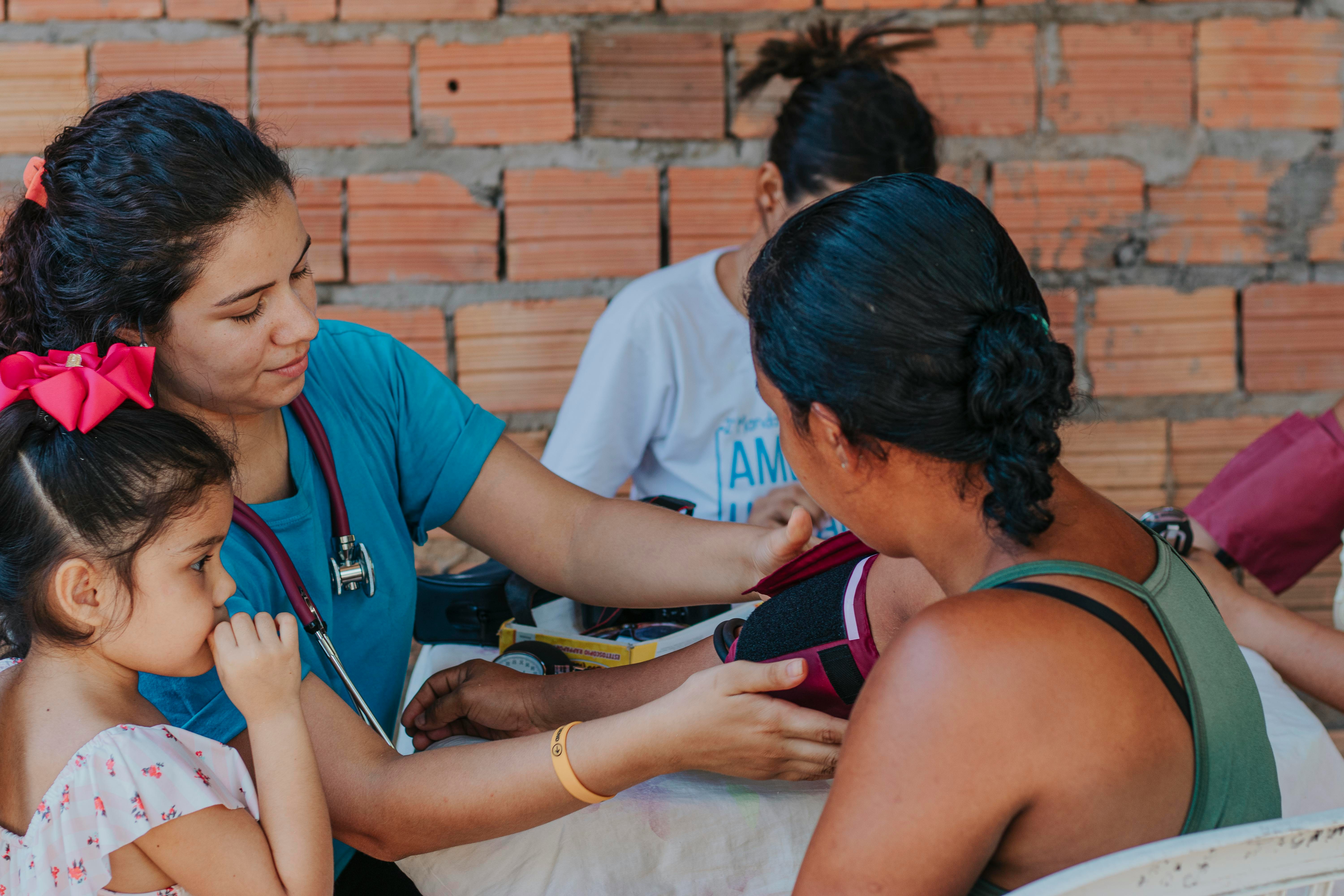
Peer support specialists (sometimes called recovery coaches) and Community Health Workers (CHWs, who often also hold a peer certification), bring something clinical care alone can't - lived experience. They've walked the recovery path themselves, or they've spent years walking alongside people who have. That builds a kind of trust that's hard to manufacture in a fifteen-minute appointment.
Research backs up what this looks like in practice. In rural British Columbia, a peer-led medication delivery program has kept clients engaged in opioid agonist treatment since 2020, with a single peer navigating medication access and appointments for 10 to 15 people a day, while also helping clients secure housing and employment along the way. In South Carolina, a mobile health and peer support model paired Certified Peer Support Specialists with people starting buprenorphine treatment, using consistent, personalized contact over months to support both initiation and retention. A separate multi-site trial pairing peer support with relapse-prevention training was built around the recognition that rural communities face compounding social and structural obstacles that make recovery harder and outcomes worse for people with substance use disorders.
Telehealth is increasingly the bridge that makes this possible. When in-person peer support and recovery groups aren't available locally, virtual platforms have enabled rural patients to connect with peers and support networks they'd otherwise have no access to.
A Story from the Field
Saffie Marcanio, Televeda's Head of CHW Outreach and a licensed Peer & Recovery Support Specialist, shared a story that captures how simple and effective this support can be. In her own words:
“When I first connected with this member, they shared that remembering to take their medications was difficult. Instead of simply reminding them that medication is important, I wanted to understand what was getting in the way and what would actually feel doable for them.
We talked about using alarms, reminders, and a pill organizer so they would not have to rely on memory alone. At follow-up, they shared that they had started using a larger monthly pill organizer and were now taking their medications regularly.
For me, that is the heart of Peer Support & CHW work. Sometimes the biggest impact comes from helping someone find one simple tool that fits their real life. It was not about creating a complicated plan. It was about listening, problem-solving together, and empowering the member build a routine they could actually stick with”
- Saffie Marcanio, Head of CHW Outreach
Nothing about this intervention was complicated. It didn't require new technology or a clinical breakthrough. It required someone who could sit with a person, understand their actual daily life, and help them build a routine that they could stick to, while making sure they stayed connected to a broader care team.
Why This Matters for Rural Communities
That story is, in miniature, exactly what the research points to: peer support works because it's personal, practical, and persistent. It fills the gaps that a rushed clinical visit can't, i.e., remembering doses, understanding why a medication matters, knowing who to call when something feels off, and having someone check back in.
Pharmacy access can create the same kind of adherence barrier. When the closest pharmacy is far away, missed refills are not simply a matter of forgetfulness or motivation; they can reflect transportation gaps, cost pressures, competing family needs, and the burden of navigating a fragmented system. A peer helps close that gap by contacting the Medicaid health plan care team, flagging the access issue, and helping coordinate delivery or another practical solution rather than placing that responsibility solely on a patient who may already be managing illness, recovery, housing, work, caregiving, and other daily pressures.
In communities where the nearest OUD specialist or pharmacy might be an hour's drive away, that kind of ongoing, human connection isn't a nice-to-have. It's often the difference between someone staying in treatment and falling through the cracks.
Building on What Works
Televeda's work in peer support and community health is rooted in this same principle. Recovery and wellness happen in the details of daily life, not just in appointment rooms. Whether it's a peer helping someone build a medication routine that actually fits their day, or a virtual platform connecting someone in a rural community to support they couldn't otherwise reach, the goal is the same. Meeting people where they are and helping them stay the course.
If you or someone you know is looking for support with substance use recovery, organizations like the National Alliance on Mental Illness (NAMI) and SAMHSA offer resources, helplines, and guidance to help you find the right kind of support.
Want to bring this kind of peer support to your community? Televeda partners with health plans, public agencies, and community organizations to improve access, connection, and well-being, including through peer connection and rural health programs. Book a demo or call us at 833-299-1449 to learn how we can help build a peer support program that fits your community's needs.







.svg)
.svg)