

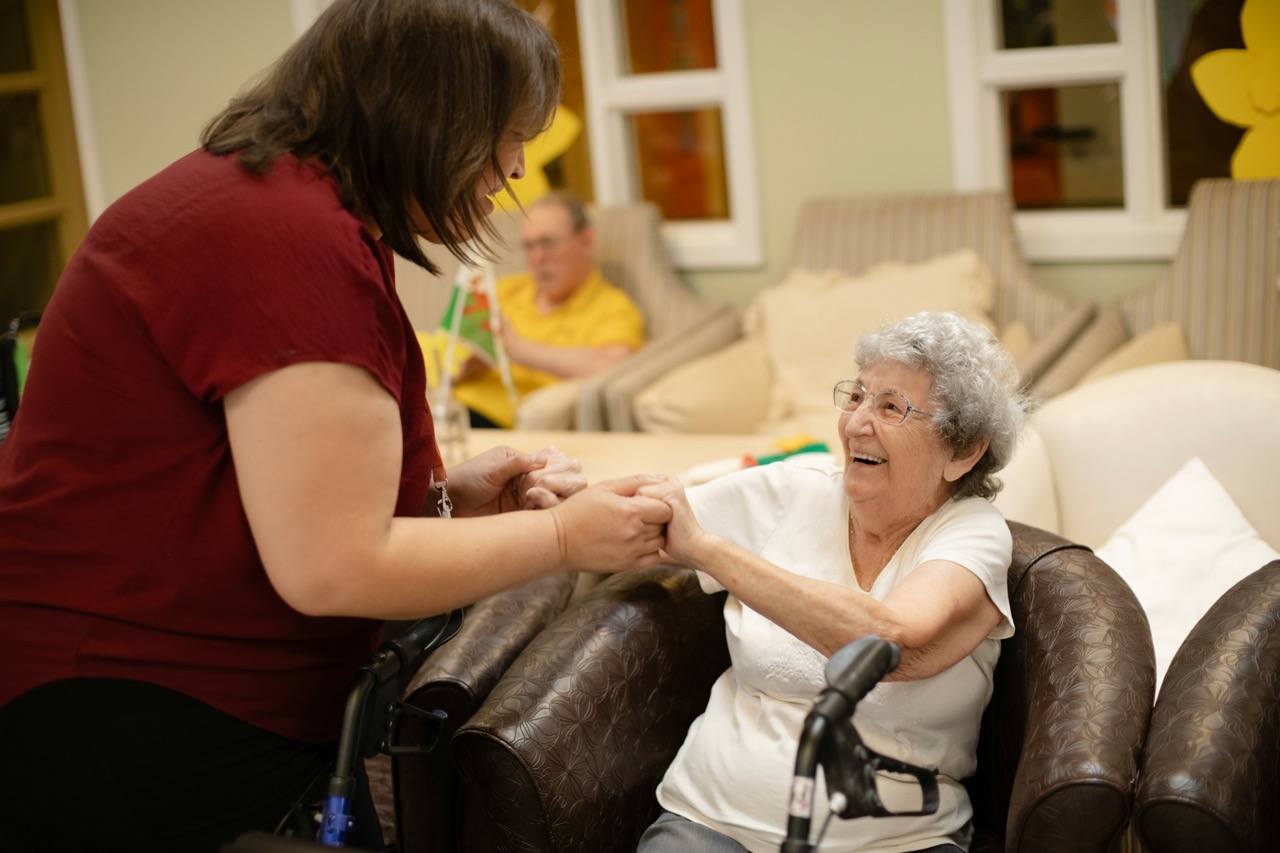
Caregiving rarely announces itself as a role. It usually starts small: a ride to an appointment, picking up medication, checking in a little more often, and then one day it is a second, unpaid job with no end date. An estimated 63 million Americans are now family caregivers, nearly one in four adults, and that number has grown by about 45 percent since 2015. Most people in this position never applied for the job and rarely think to ask for help with it.
Caregiving Is Often a Full-Time Job on Top of a Full-Time Life
The scale of unpaid caregiving in the United States is easy to underestimate until it is measured. Family caregivers provided an estimated 49.5 billion hours of care in 2024 alone, work valued at more than the amount private businesses spent on health care that year. Close to one in four caregivers report providing 40 hours of care a week or more, which is to say a full time job most of them are also not paid for, and about a third have been doing it for five years or longer.
That workload rarely stays contained to logistics. Nearly two thirds of caregivers report moderate to high emotional stress, and one in four say they feel alone in it, up from about one in five just a few years earlier. Caregiving can quietly replace a person's social life with a caregiving schedule, and the isolation that follows is not just an emotional side effect. It is a known risk factor for depression, anxiety, and worse physical health outcomes in caregivers themselves.
Why Isolation Deserves as Much Attention as the Caregiving Task List
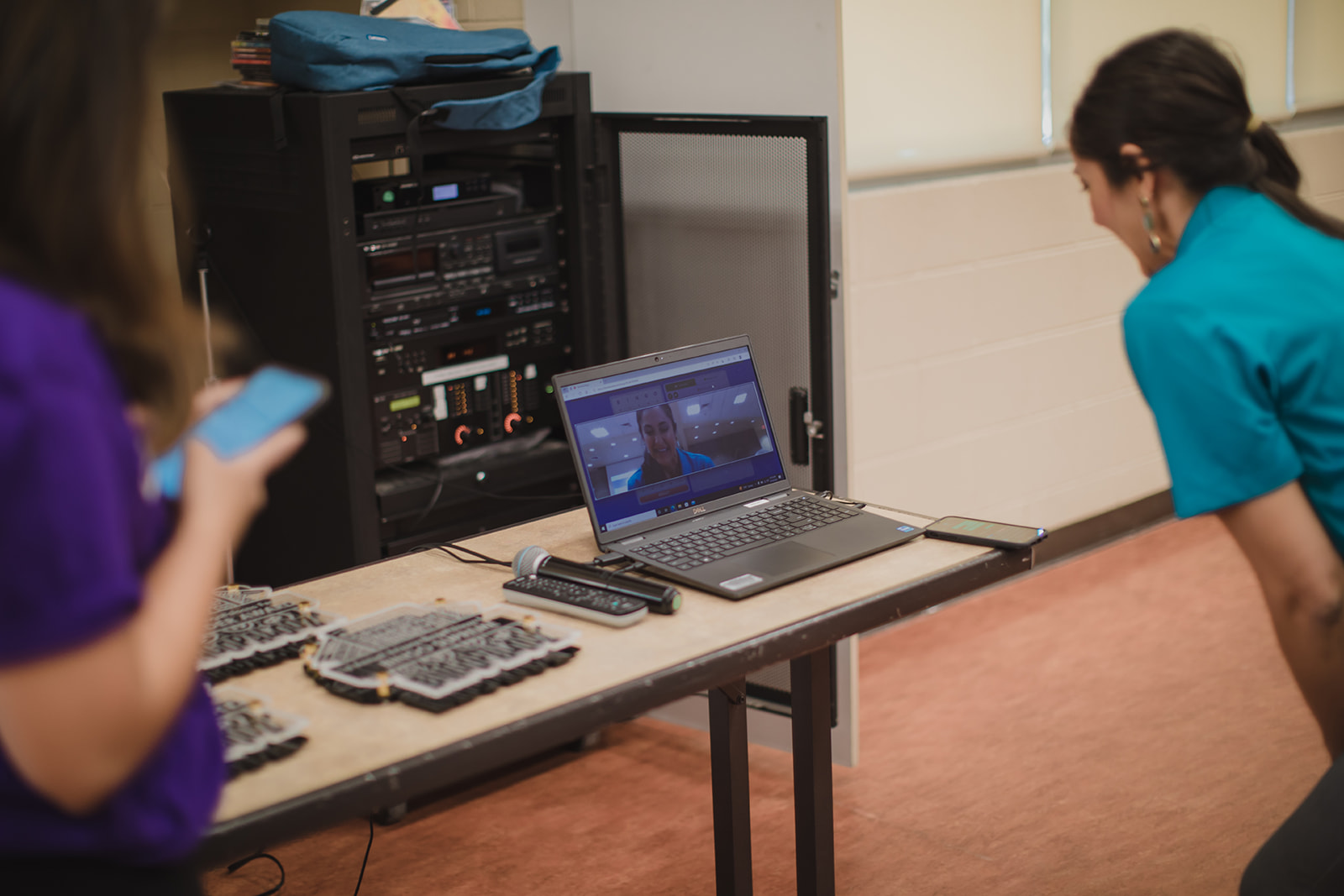
Most caregiver support conversations focus on the logistics, medication schedules, doctor's appointments, mobility, meals. Fewer focus on the caregiver's own social world quietly shrinking in the background. Remote monitoring and virtual caregiving tools were built in large part to ease that burden, giving caregivers a way to check in on a loved one without needing to be in the same room around the clock. Telecare specifically was designed around this gap, letting caregivers monitor a loved one's wellbeing remotely so they are not choosing between working, resting, and watching over someone at every hour.
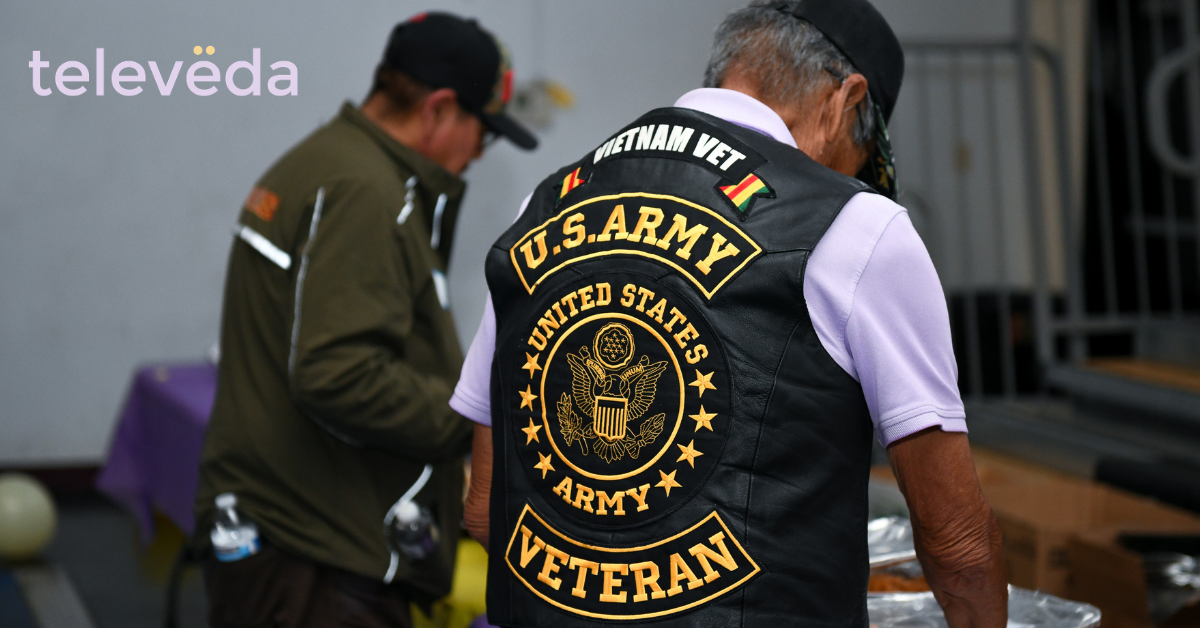
Technology alone does not solve isolation, though. It has to be paired with an actual community. That distinction is part of why peer support spaces built for veterans are also open to the spouses and family caregivers around them, not just the person who served. A caregiver managing a loved one's dementia diagnosis, for instance, is often navigating the disease with very little guidance of their own. There is a fair amount of research and structured caregiver support built specifically around dementia caregiving, covering everything from communication techniques to programs designed to reduce caregiver isolation directly.
What Actually Helps
A few patterns show up again and again in what makes caregiver support effective:
- Caregivers are included as participants, not just as logistics coordinators for someone else's care
- Support does not require leaving the house or arranging additional coverage to attend
- Peer connection matters as much as clinical information
- Respite, even in small amounts, is treated as necessary rather than a luxury
- Technology closes gaps in access without replacing human connection
Programs built around these principles tend to treat the caregiver as a person who also needs support, not only as a conduit for someone else's care. Care navigators who build ongoing relationships with both the person receiving care and the person providing it are one way this shows up in practice, as are Televeda's own programs built specifically for older adults and the caregivers around them, designed to be joined from any device without downloads or extra coordination. That includes a monthly caregiver support group alongside caregiver resources available whenever they're needed.
TL;DR
- An estimated 63 million Americans are family caregivers, nearly one in four adults, up about 45 percent since 2015.
- Close to one in four caregivers provide 40 or more hours of care a week, and nearly two thirds report moderate to high emotional stress.
- One in four caregivers report feeling alone in their role, up from about one in five a few years ago, and isolation is a known risk factor for depression and poor physical health in caregivers themselves.
- Effective caregiver support tends to combine remote monitoring and virtual tools with real peer community and actual respite, not logistics support alone.
- Caregivers do not have to wait for a crisis to ask for support, and they should not have to give up their own social connection to provide it.








.svg)
.svg)