

For years, "loneliness" and "social isolation" have been used almost interchangeably in the conversation about healthy aging. Both show up in the same headlines. Both get blamed for the same list of health problems. But a new study is making clear something we know well at Televeda: loneliness and isolation are not the same thing, and that the difference matters enormously for how we support older adults.
What the New Study Found
A team of researchers from the University of Bristol, Amsterdam UMC, the University of Oxford, and the University of Manchester, working with the innovation foundation Nesta, set out to answer a question that's surprisingly hard to pin down: do loneliness and social isolation actually cause poor health, or are they simply markers of it?
Their study, published via The Conversation, draws a clear distinction:
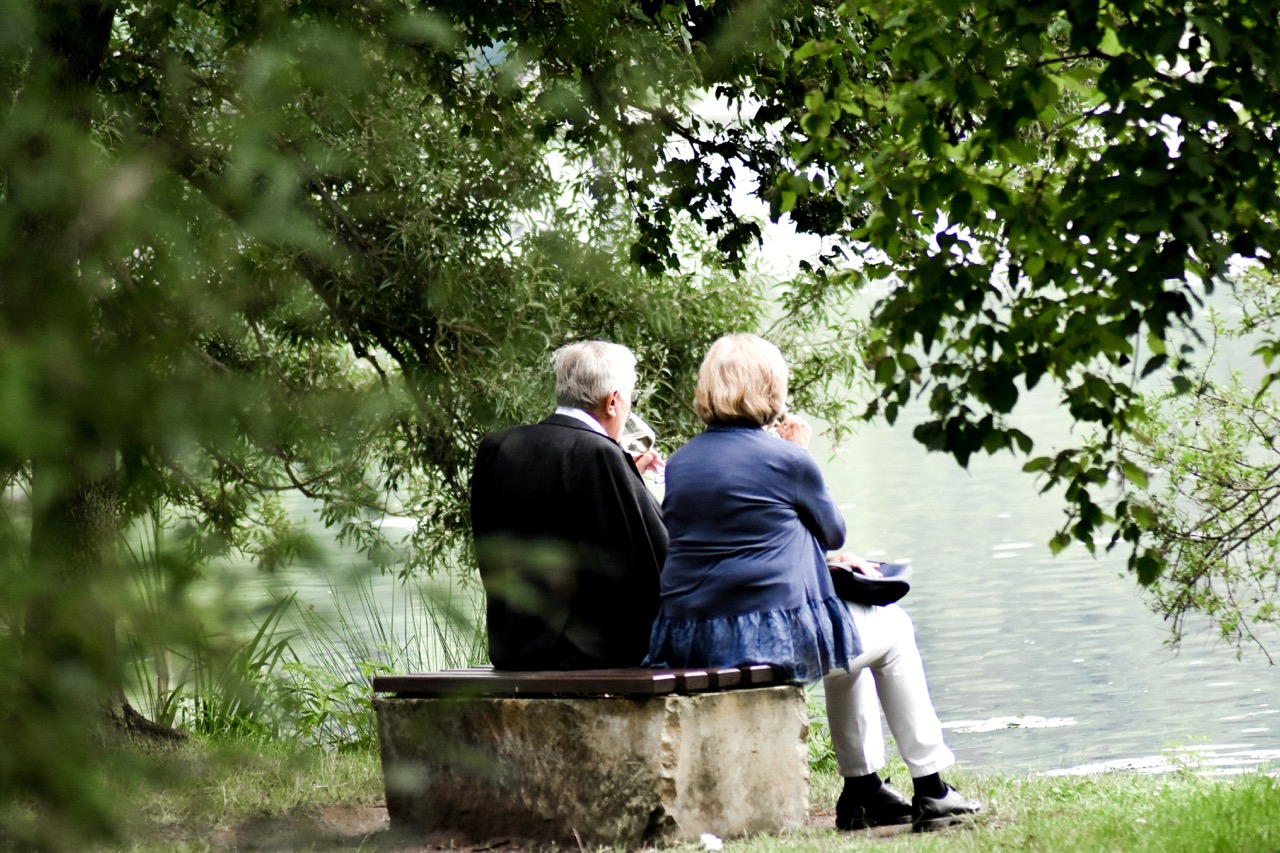
- Loneliness is the subjective, emotional experience of feeling disconnected. You can be lonely in a room full of people.
- Social isolation is the objective, measurable lack of contact with others. You can live alone and not feel lonely at all.
Using several statistical approaches, the researchers found that loneliness was linked to poorer mental health and wellbeing, and even to an increased risk of depression, self-harm, and suicide attempts. It was also associated with poorer general health, including multimorbidity, which means living with two or more chronic conditions at once.
Social isolation, on the other hand, showed a narrower pattern of harm in this particular study. The researchers didn't find consistent evidence that either loneliness or isolation directly affected specific physical conditions like coronary artery disease, stroke, or type 2 diabetes, though they're careful to note this doesn't rule out an effect. Some of the data was simply too limited to draw firm conclusions.
Interestingly, the relationship also runs in reverse: depression appears to increase loneliness, and poorer wellbeing can increase both loneliness and isolation. In other words, it's often a two-way street, not a one-way cause.
Why This Distinction Matters for Older Adults
This research reinforces something we see every day at Televeda: you can't solve loneliness by simply reducing isolation, and you can't assume that "getting people out of the house" is the same as helping them feel connected.
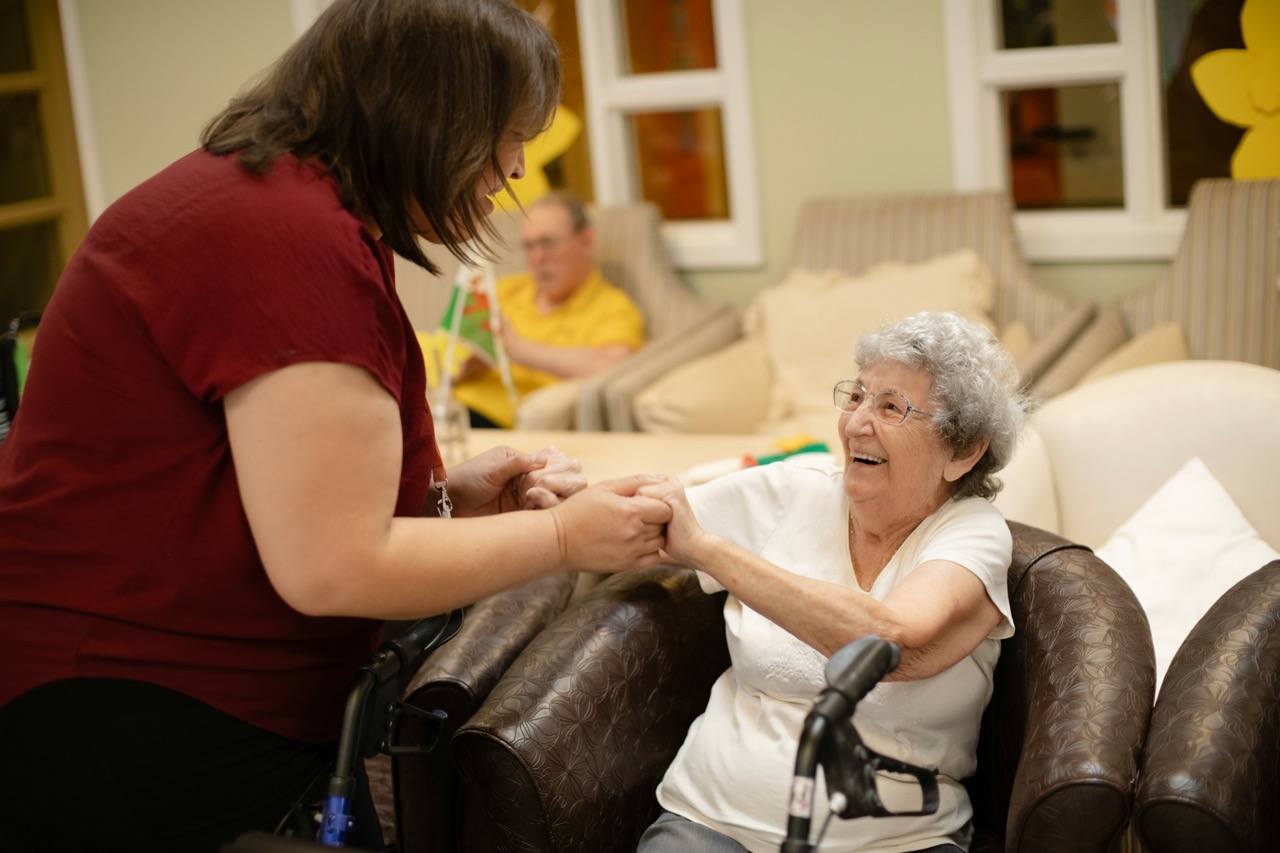
An older adult might attend a weekly bingo game, live in a bustling senior community, or talk to a home health aide daily, and still feel profoundly lonely if those interactions lack warmth, familiarity, or a sense of belonging. Conversely, someone who lives alone and has infrequent visitors may not feel lonely at all if the relationships they do have feel meaningful.
This lines up with prior research, too. The U.S. Surgeon General's 2023 advisory on loneliness found that people lacking social connection face a risk of premature death comparable to smoking daily, and that loneliness and isolation are linked to higher risk of heart disease, stroke, dementia, and depression.
The takeaway for families, caregivers, senior living communities, and health plans is simple: quality of connection is not optional. It's a health intervention.
How Televeda Approaches the Problem
This is exactly why Televeda was built the way it was. Our platform doesn't just log "attendance" or check a box that says a resident left their room. We focus on building the kind of recurring, relational programming that actually addresses the emotional side of loneliness, not just the logistical side of isolation.
That shows up in a few concrete ways:
- Community-based, peer-led programming: live-streamed trivia, fitness, art, and discussion groups where the same faces show up week after week, so members build real familiarity with one another, not just a checked-off activity.
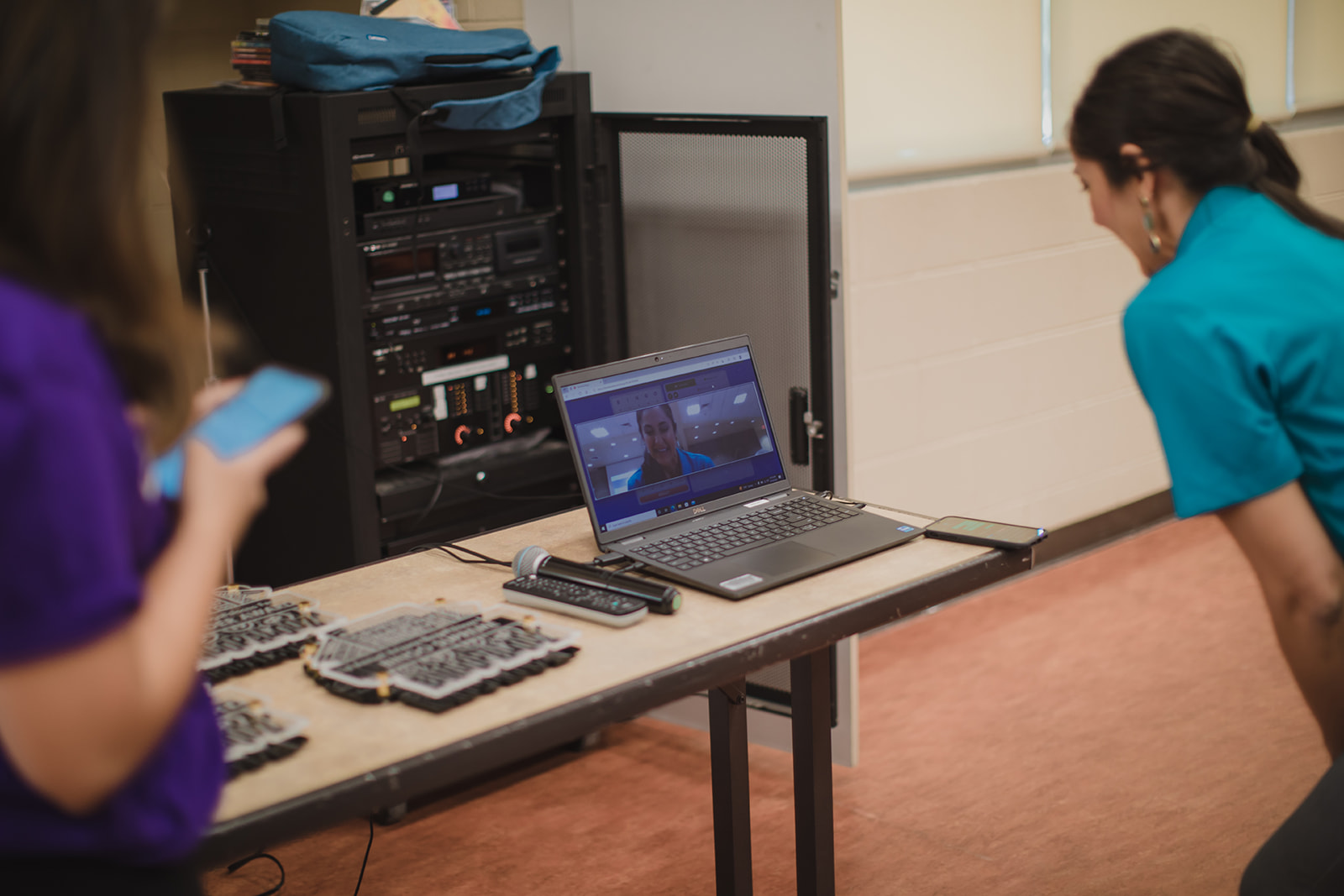
- Accessible design for every ability level: one-click, no-download video access, because technology friction is one of the fastest ways to isolate an older adult who wants to connect but can't navigate the tools.
- Programs built specifically to address social isolation at scale, for senior living communities, health plans, and public health agencies, that pair engagement data with genuine relationship-building.
We've also written about this in practical terms for the communities we serve, including how senior living communities can create a virtual senior center and what actually works to combat loneliness in senior programs.
The Bottom Line
This new research is a helpful reminder that "socialization" isn't a monolith. If we want to protect the mental and physical health of older adults, programming has to be designed around genuine connection, not just proximity to other people. That's the whole reason Televeda exists.
If you're a senior living community, health plan, or public health organization looking to build programming that addresses loneliness at its root, not just isolation on paper, book a free demo to see how Televeda works.
Sources:
- The Conversation, "Loneliness may damage health in ways isolation does not, new study"
- U.S. Department of Health and Human Services, Surgeon General's Advisory on the Healing Effects of Social Connection and Community
- Harvard T.H. Chan School of Public Health, "Loneliness is hurting our health, but these policies could help"








.svg)
.svg)