


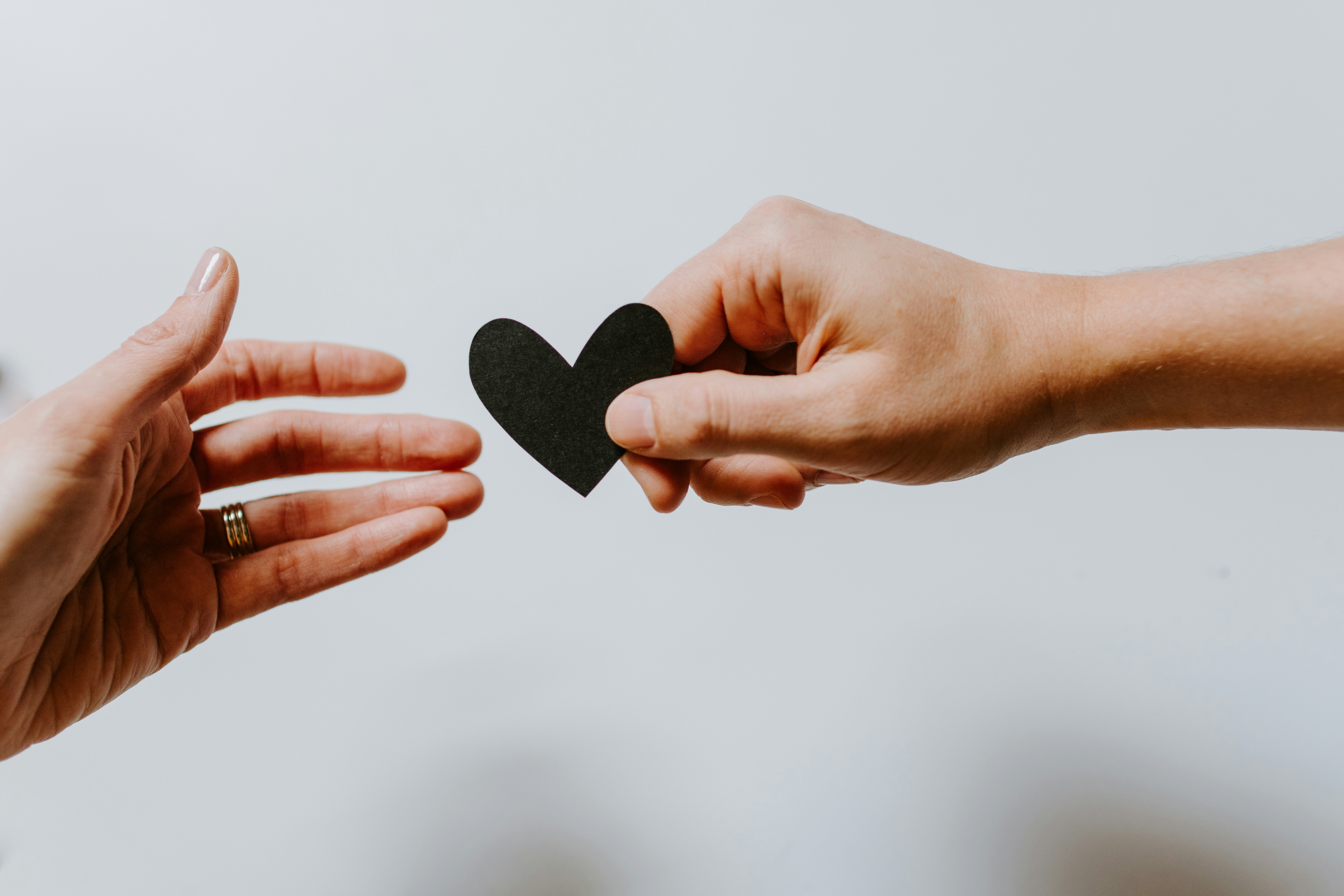
When most people think about suicide prevention, they picture a crisis moment: a hotline number, a wellness check, an emergency intervention. These resources save lives, and they matter enormously. But what if we were able to reach the person earlier i.e., before they reached the edge.
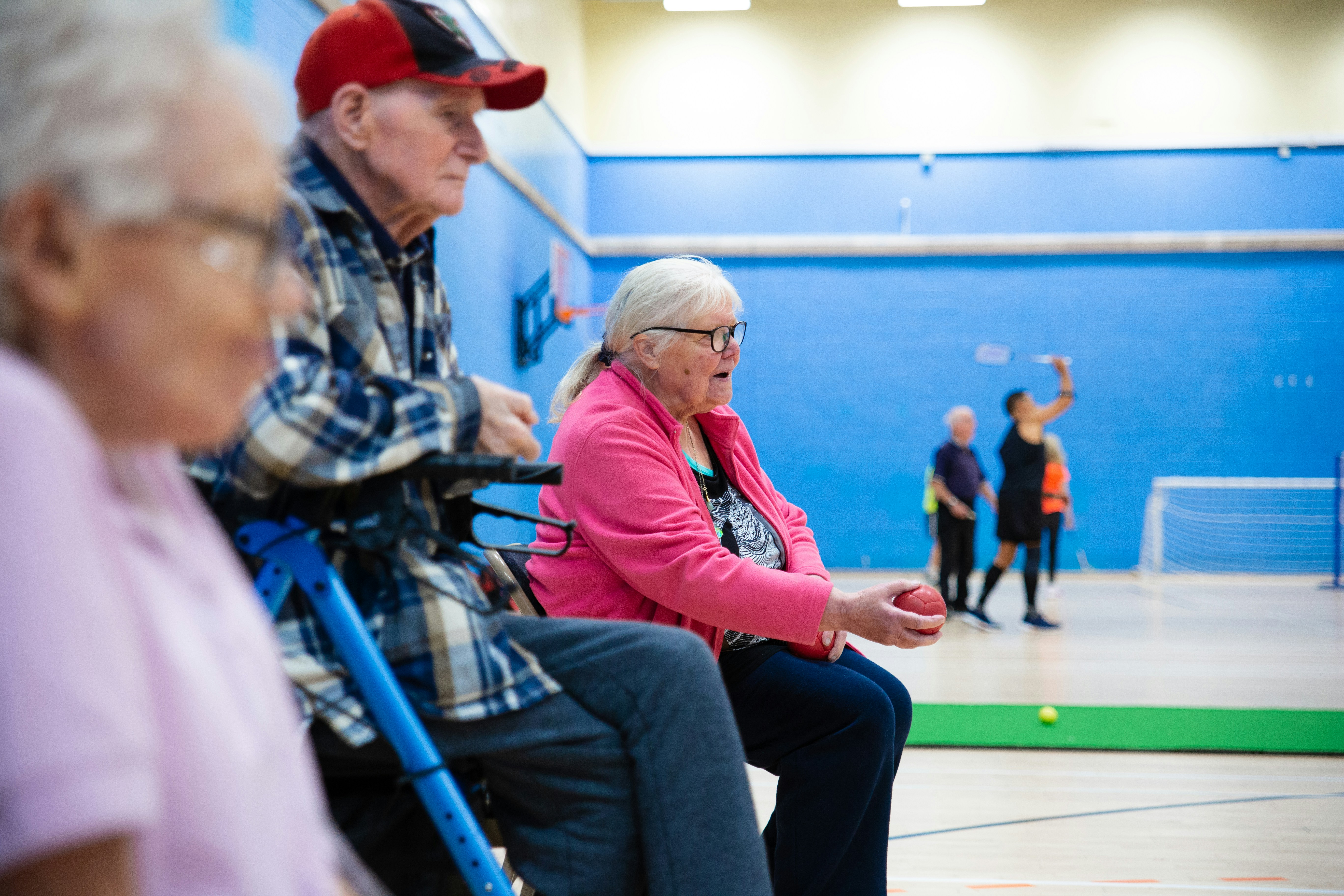
Televeda's mission is to alleviate social isolation and loneliness for all, and we believe the more powerful moment for prevention happens much earlier, in the quiet, ordinary stretch of an average Tuesday afternoon. It happens when someone joins a tai chi class and sees a familiar face. It happens in a bingo game or a check-in call from a senior center staff member who noticed someone had been quiet lately. Prevention, at its most effective, doesn't look like an intervention at all. It looks like fostering a sense of belonging.
Why Connection Is a Prevention Strategy
Older adults are the population most often overlooked in conversations about suicide risk, yet the 2016 Global Burden of Disease study, cited in a 50-state survey on thoughts of suicide and social isolation, found that age-standardized suicide mortality rates were highest among older adults worldwide, regardless of region or gender. The reasons are layered: grief, chronic illness, loss of independence, cognitive decline. But one thread runs through nearly all of it: disconnection.
Social isolation and loneliness have been linked to suicide across all age groups, and researchers have found that even after accounting for depression, they remain independent contributors to suicide risk. In a study of more than 60,000 older adults, loneliness was among the leading motivations behind self-harm. And the same 50-state U.S. survey found that a lack of emotional support was strongly associated with a higher likelihood of suicidal thoughts among older adults.
It's worth noting that loneliness and isolation are not interchangeable. As Televeda covered recently, new research shows the two affect health differently. Loneliness, the felt sense of disconnection, is the one most closely tied to depression, self-harm risk, and suicide attempts, while isolation, the objective lack of contact, carries its own separate physical health toll. Someone can attend every social gathering on the calendar and still feel profoundly alone. That distinction matters for how programs are designed, not just whether people show up.
The physical toll of both is still significant. A meta-analysis of older adults found that social isolation was associated with a 35% increase in all-cause mortality risk, loneliness with a 14% increase, and living alone with a 21% increase. Researcher Julianne Holt-Lunstad has found that loneliness can raise mortality risk by as much as 50%, a bigger effect than obesity, air pollution, or excessive drinking.
Put simply, disconnection doesn't just make life harder. It makes life shorter. Rebuilding genuine connection isn't a soft, secondary benefit of community programming. It's a public health intervention in its own right. Alleviating social isolation and loneliness for all is Televeda's mission precisely because of what the data shows, which is why health plans increasingly treat social isolation and loneliness programs as a measurable part of member care rather than a nice-to-have.
Why Waiting for Crisis Is Not OK
Crisis response systems are essential, and they're built for a specific moment i.e., when someone is already in acute danger. But that model puts the entire burden of prevention on catching a crisis in progress, often relying on the person in pain to reach out, or on someone nearby to notice the warning signs in time.
Connection-based prevention works differently. It doesn't wait for a red flag. It builds the kind of ongoing relationships and community presence where isolation and loneliness are less likely to take hold in the first place, and where, if something does start to shift, someone is already there to notice.
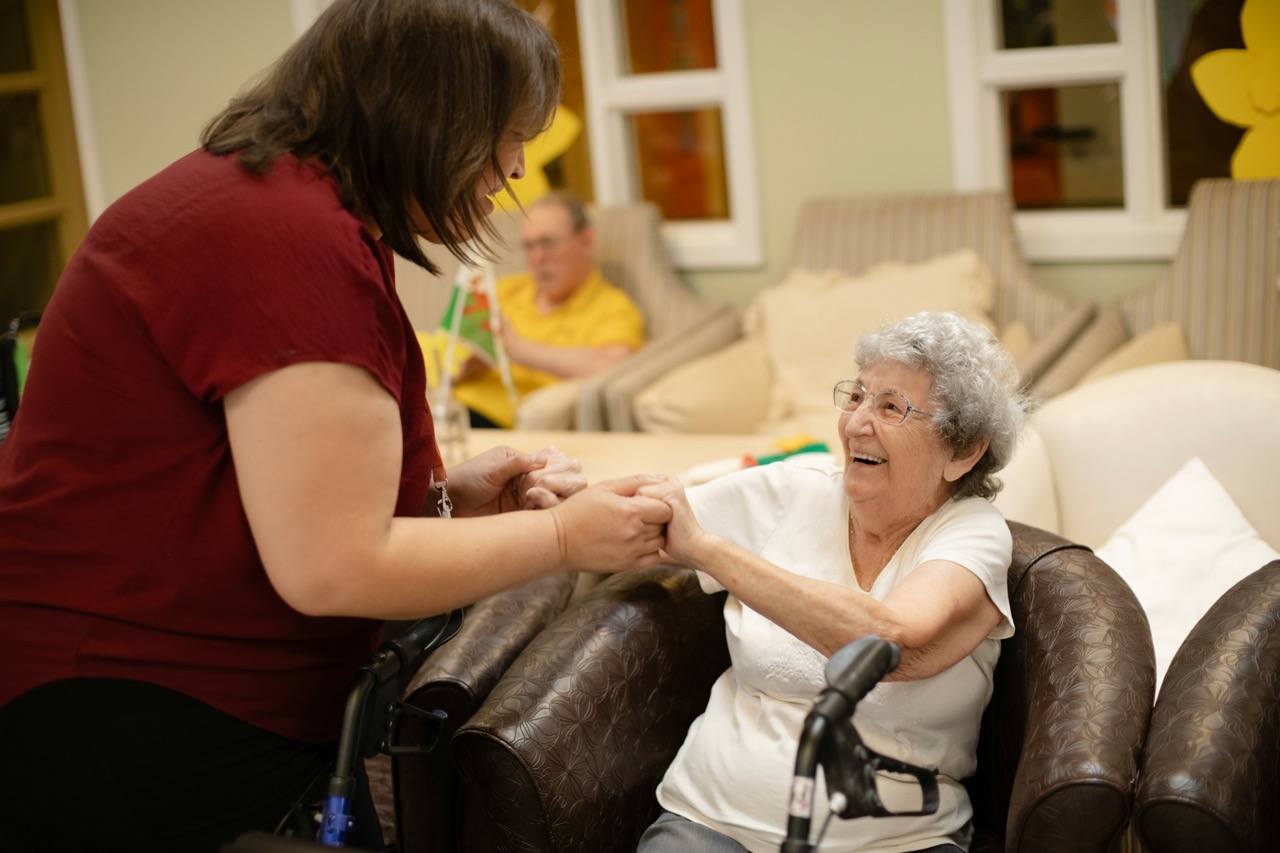
This is especially critical for older adults, who may be more likely to experience social isolation after the death of a spouse, or when family and friends are no longer nearby. A senior who attends a weekly group activity or class isn't just filling time. They're part of a network that would notice their absence, which is also part of why population health programs built around relationship-based care help reduce avoidable ER visits and ease pressure on care teams, outcomes that hospital systems and health plans already track.
It's just as critical for veterans. Isolation, cultural mistrust, and a lack of culturally responsive access points are upstream drivers of veteran suicide. That's the thinking behind why peer support is the missing infrastructure in veteran suicide prevention, and behind Televeda's Hero's Story Project, a veteran suicide prevention peer support program built with American Indian and Alaska Native (AI/AN) veterans, women veterans, and military sexual trauma survivors, using Talking Circles and peer support to rebuild connection long before a crisis point.
What Connection-First Prevention Looks Like in Practice
For the senior centers and community organizations, health plans, and government agencies we work with, connection-first prevention isn't abstract. It shows up in concrete, repeatable ways:
- Consistent touchpoints. Regular programs, group classes, social groups, and events create a rhythm of contact and a natural way to notice when someone stops showing up.
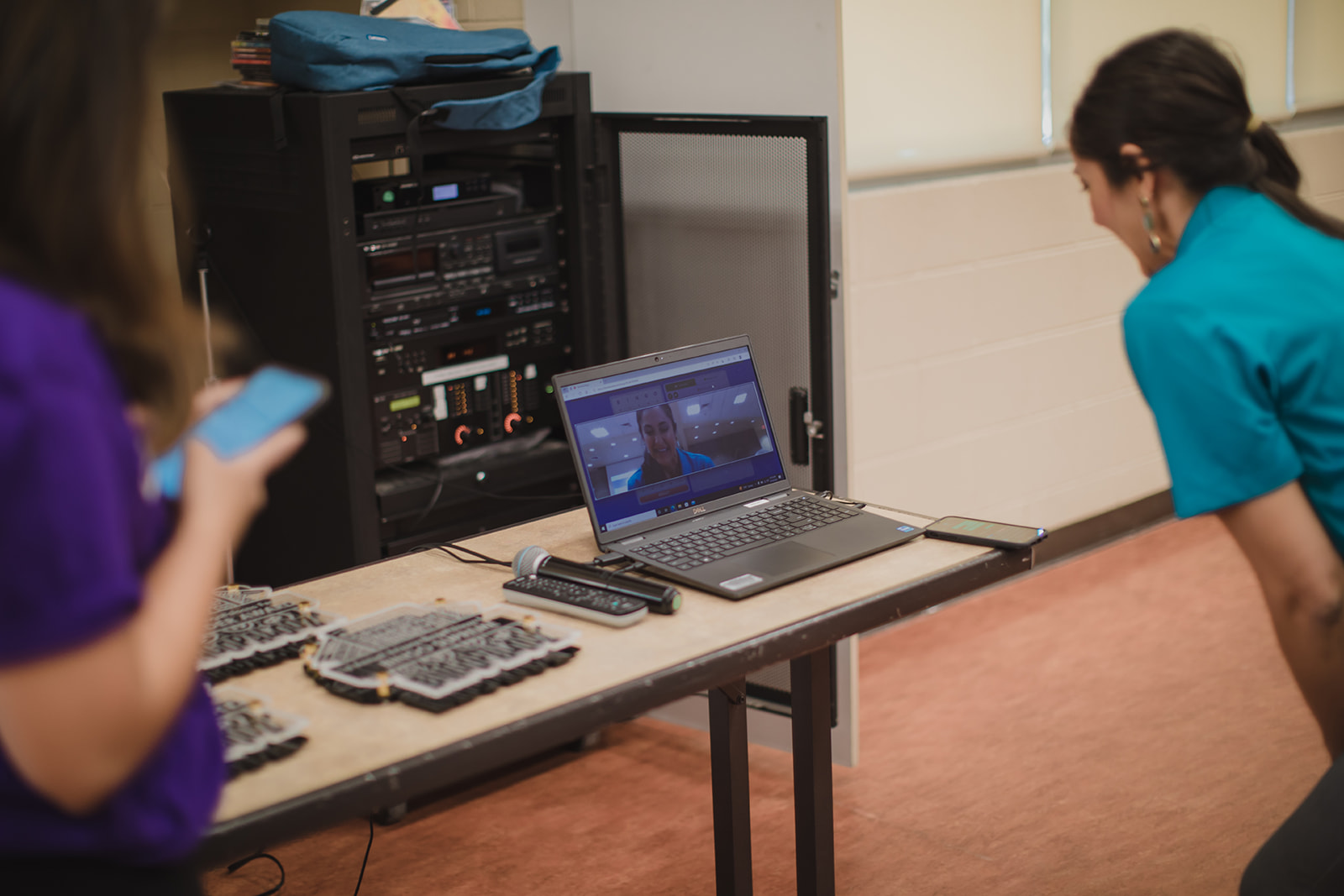
- Low-barrier access. Programs that don't require transportation, complicated technology, or in-person attendance reach the members who are hardest to reach and often most at risk.
- Staff and peer visibility. When community leaders and fellow members recognize a person, they're positioned to notice change, whether that's a missed class, a quieter voice, or a member who used to talk and now doesn't.
- Belonging before crisis. The goal isn't to identify risk after the fact. It's to build a community strong enough that fewer people ever reach that point alone.
This is the work behind our Televeda platform. Turning our mission to alleviate social isolation and loneliness for all into something measurable, sustainable, and reachable for the people who need it most, whether they're served by a government agency, a health plan, or a community organization. Not as an alternative to crisis care, but as the foundation that makes crises less likely to happen in the first place. You can read more about the mission behind this approach, explore peer and group support programs that put this into practice.
Prevention Is Everyone's Job, Every Day
Suicide prevention is too often treated as specialized work, reserved for clinicians and crisis counselors. But the research is clear. The presence or absence of everyday connection shapes risk long before any crisis line is called. A senior center director, a health plan care coordinator, a peer support specialist, a volunteer running a virtual game night. They are all part of the prevention system, whether or not they've ever framed it that way.
Building that system doesn't require more crisis infrastructure. It requires making genuine connection accessible to the people who are most likely to lose it, and treating that access as a matter of life and health, not just quality of life. That's what it means to alleviate social isolation and loneliness for all: not a slogan, but a daily practice. Explore more on our blog for research and stories on reducing social isolation and loneliness across the communities we serve, or book a demo to bring this approach to your community.
TL;DR: Crisis hotlines and wellness checks matter, but they step in only after someone is already in danger. Loneliness and social isolation are independent, well-documented risk factors for suicide, especially among older adults and veterans, and the research shows they're not the same thing: loneliness is more closely tied to self-harm and depression, while isolation carries its own physical health toll. Televeda's mission is to alleviate social isolation and loneliness for all, and that mission is itself a prevention strategy. Everyday connection, consistent touchpoints, and low-barrier programs catch disconnection long before it becomes a crisis.
This piece touches on suicide and suicide risk. If you or someone you know is experiencing thoughts of suicide, the 988 Suicide & Crisis Lifeline is available by call or text, 24/7, in the U.S. Veterans can reach the Veterans Crisis Line by dialing 988, then pressing 1.







.svg)
.svg)