

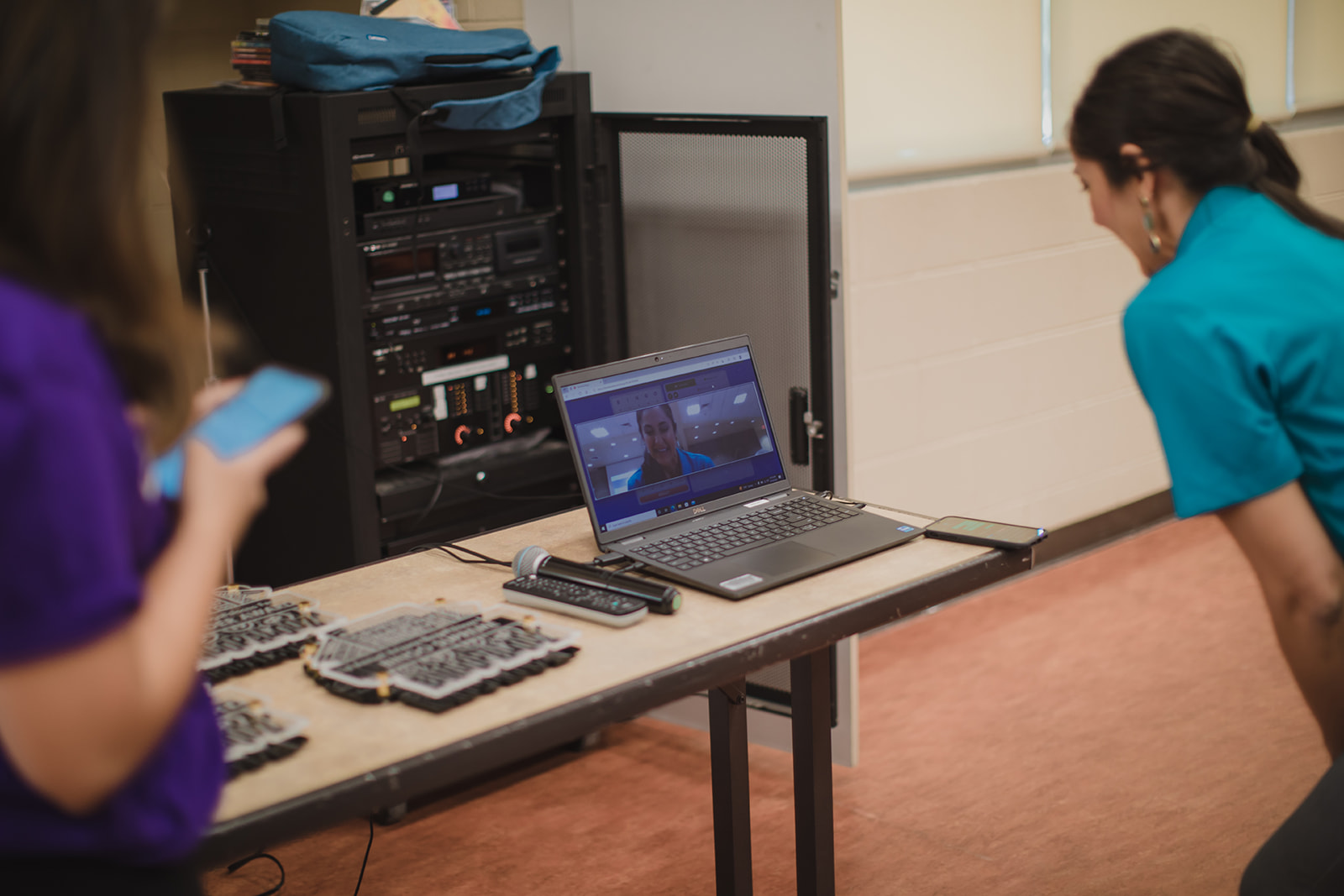
Somewhere between paying a bill, booking a doctor's appointment, and video calling a grandchild, going online stopped being optional. For most people that shift happened without much notice. For millions of older adults and people in rural or underserved communities, it left a real gap. Digital literacy gets talked about like a nice-to-have skill, something people either pick up or don't. For the people on the wrong side of that gap, it's what determines whether they stay connected to care and community or fall further behind each year it stays open.
The Size of the Gap
The numbers are moving in the right direction, but they're still large. According to the latest Aging Connected report from Older Adults Technology Services (OATS) at AARP, about 19 million Americans age 65 and older still lack home broadband access, down from 22 million in 2018. That's roughly a third of older adults in the country without a reliable home connection. Computer ownership has ticked up too, but unevenly, and low-income older adults in southern states have the lowest rates of both home internet and cellular data adoption, putting them at the highest risk of losing access to digital services altogether.
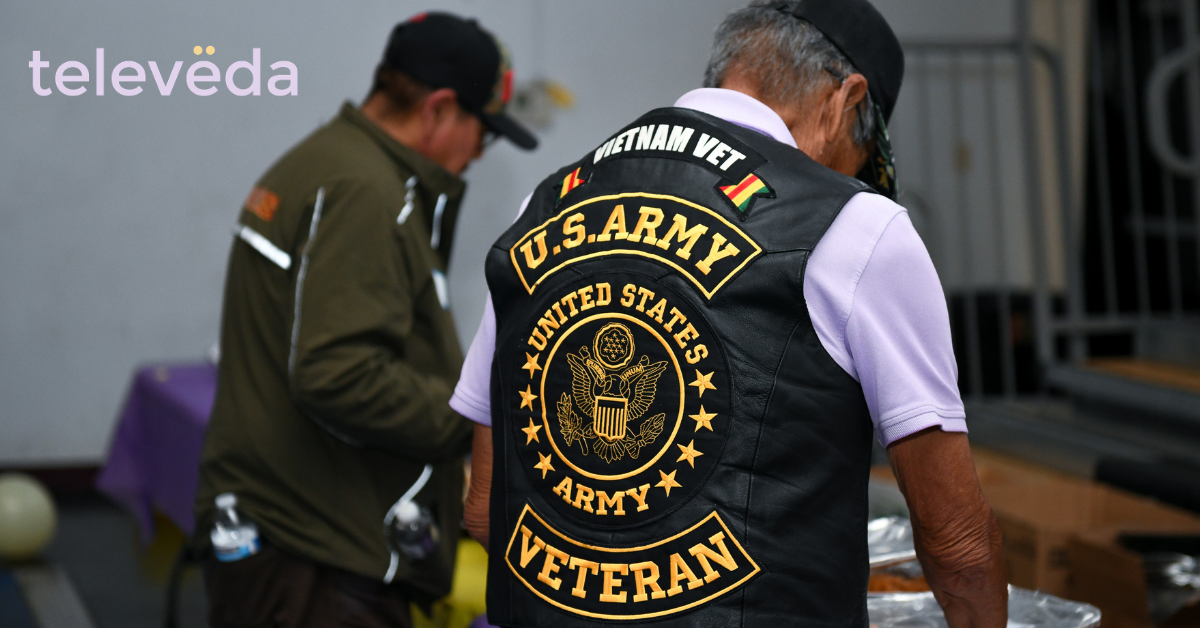
Closing that gap takes more than literacy programs when the access itself is missing. Televeda's own Roger That project, run with the Arizona Department of Veterans' Services, is delivering Starlink internet kits directly to tribal veterans across all 22 of Arizona's federally recognized tribes. As of late 2025, 16 kits were already installed across nearly a dozen tribal communities, with veterans in some of the state's most remote areas going from no connection at all to being able to apply for benefits or join a peer support session from home. For those households, access is the barrier that has to come down before literacy is even a relevant conversation.
It's not only a U.S. problem. The International Telecommunication Union's latest report on global digital development found that around 2.6 billion people, close to a third of the world's population, still lack internet access. And access doesn't guarantee skill. The Digital Skills Index found more than a third of European adults lack essential digital skills, and a meaningful share rarely or never go online at all.
Why It Matters More Than It Used To
Twenty years ago, being offline was an inconvenience. Now it's a barrier to almost everything: telehealth visits, benefits applications, prescription refills, banking, and the everyday social contact that keeps people from feeling isolated. Researchers who study telehealth readiness have watched this play out directly: people who couldn't log into a patient portal, download an app, or join a video call got left behind right as healthcare was moving further online.
That gap compounds. The people least likely to have digital skills, often older adults, people with disabilities, and residents of rural or low-income areas, are frequently the same people who stand to benefit most from staying connected to care and community. Left alone, the divide doesn't hold steady. It widens.
Access Is Only the First Barrier
It's easy to assume digital literacy is a hardware problem: hand someone a device and a connection, and the gap closes. In practice, plenty of people with a computer and internet at home still don't have the confidence to use either beyond the basics. A device sitting untouched because someone is afraid of breaking something closes just as many doors as never having one.
This shows up most for older adults navigating unfamiliar interfaces alone, for non-native English speakers on platforms built assuming fluency, and for anyone who associates technology with frustration rather than usefulness. Programs that stop at handing out tablets or running a single class tend not to stick. Confidence comes from repetition, not a one-time tutorial.
What Actually Works
A few patterns show up again and again in programs that move the needle:
- Low barriers to entry, no downloads, no complicated logins, and support for low bandwidth connections
- Human facilitation instead of self-guided tutorials
- Skills built inside activities people already want to show up for, not standalone tech classes
- Repetition over time rather than a single onboarding session
- Design that accounts for the range within "older adults," since a 65 year old and an 85 year old often start from very different places
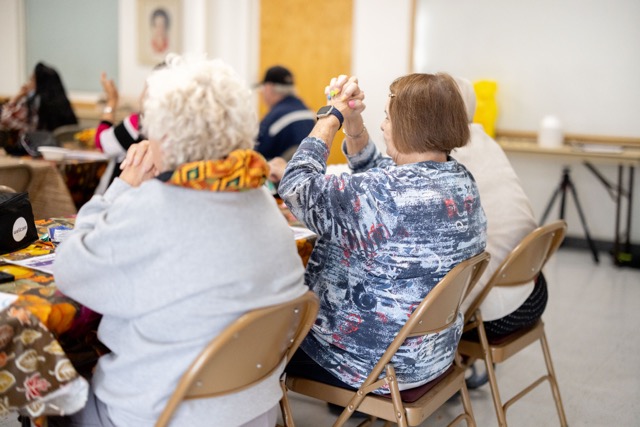
This is the thinking behind Televeda's Digital Literacy and Inclusion work. Rather than treating digital skills as a separate curriculum, the platform requires no downloads, works across bandwidths, and pairs participants with live human facilitators who help them build comfort with technology inside programs they're already engaged in, from wellness classes to peer support groups. Participants have shown meaningfully better digital literacy scores over time, not from sitting through a lecture on how the internet works, but from practicing it inside something they wanted to be part of.
Closing It Takes More Than Awareness
Digital literacy doesn't close on good intentions or a single grant cycle. The gap is measurable, and so is what happens when nobody addresses it. When the City of Albuquerque surveyed 134 homebound residents on isolation and digital literacy, 82 percent had never received any digital literacy training at all, despite most of them needing technology to stay in touch with care and family. That is not a small gap in a single city. It is the same pattern showing up everywhere this has been measured.
Closing it takes infrastructure, ongoing human support, and programs built around the people hardest to reach rather than the people already online. The gap is shrinking, but slowly and unevenly across geography and income. Every year it stays open is another year older adults and rural communities lose access to care, connection, and independence that most of the country takes for granted.
TL;DR
- About 19 million Americans 65 and older still lack home broadband, down from 22 million in 2018, but the gap hasn't closed.
- Globally, roughly 2.6 billion people still lack internet access, and more than a third of European adults report lacking essential digital skills.
- Access alone doesn't close the gap. A 2024 survey of 134 homebound Albuquerque residents found 82 percent had never received digital literacy training.
- Programs like Televeda's Roger That project, which has delivered Starlink internet access to tribal veterans across all 22 Arizona tribes, show what closing the access side of the gap looks like in practice, alongside the human facilitation that closes the skills side.








.svg)
.svg)