


There is a quote from a participant in Televeda's Hero's Story Talking Circles that stops people when they hear it.
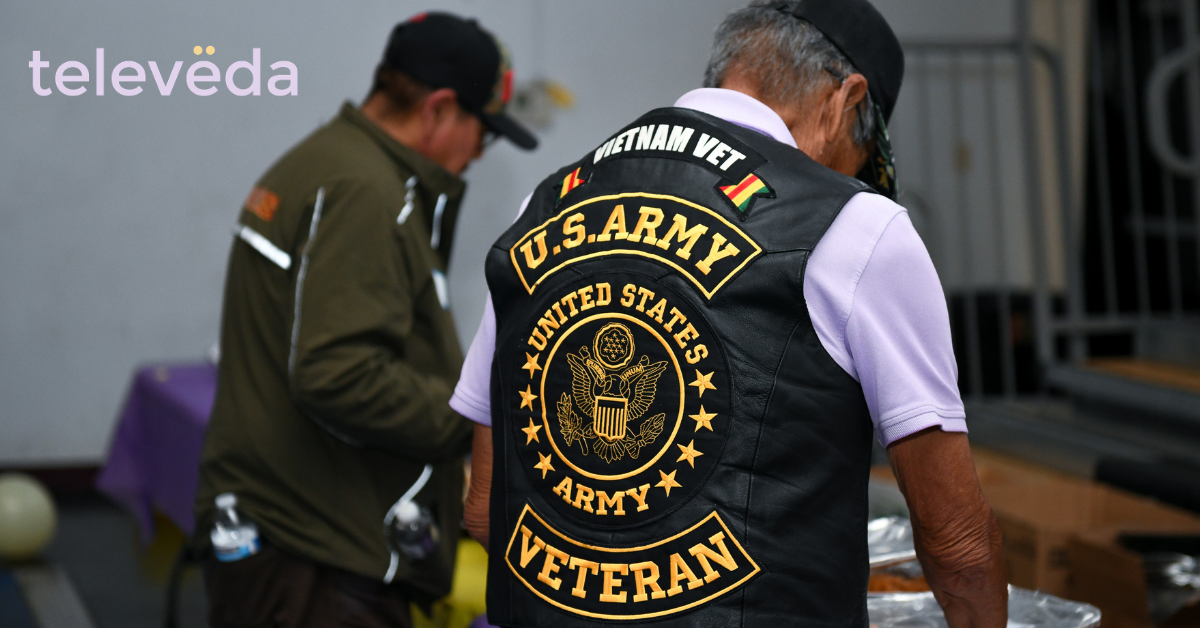
"Veterans helping veterans has been the most effective form of support. These circles give us space to discuss our military experiences in ways that family and friends may not fully understand."
It is not a clinical outcome. It does not appear on a dashboard. But it explains, more clearly than any metric can, why peer support infrastructure is not a supplement to veteran suicide prevention. It is the foundation of care.
The Gap That Clinical Investment Cannot Close
The VA has increased its investment in veteran mental health significantly over the past decade. More clinicians, more crisis resources, more telehealth capacity. All of it matters. And the veteran suicide rate remains persistently elevated.
An estimated 17 veterans die by suicide every day in the United States.
The gap is not clinical quality. The gap is reach.
American Indian and Alaska Native veterans serve at five times the national rate. They face the highest rates of PTSD and suicide of any veteran group in the country. And 67% of them do not use VA mental health services.
Women veterans, particularly survivors of Military Sexual Trauma, face elevated suicide risk and are among the least likely to engage with traditional group-based VA programming.
These are not populations that need better therapy. They are populations that need a different on-ramp: one built on cultural trust, shared experience, and community. Understanding why requires looking honestly at the structural barriers these communities face — and who is building infrastructure to address them.
What Makes Hero's Story Different
Televeda's Hero's Story Project is the first culturally appropriate, evidence-informed, peer-to-peer mental health intervention designed specifically for American Indian, Alaska Native, and BIPOC veterans.
The model is built on two things that Western clinical frameworks often treat as secondary: storytelling and talking circles. These are not therapeutic techniques borrowed from Indigenous culture. They are Indigenous practices, adapted with the input and governance of the tribal communities Televeda works with, and integrated with evidence-based peer support methodology.
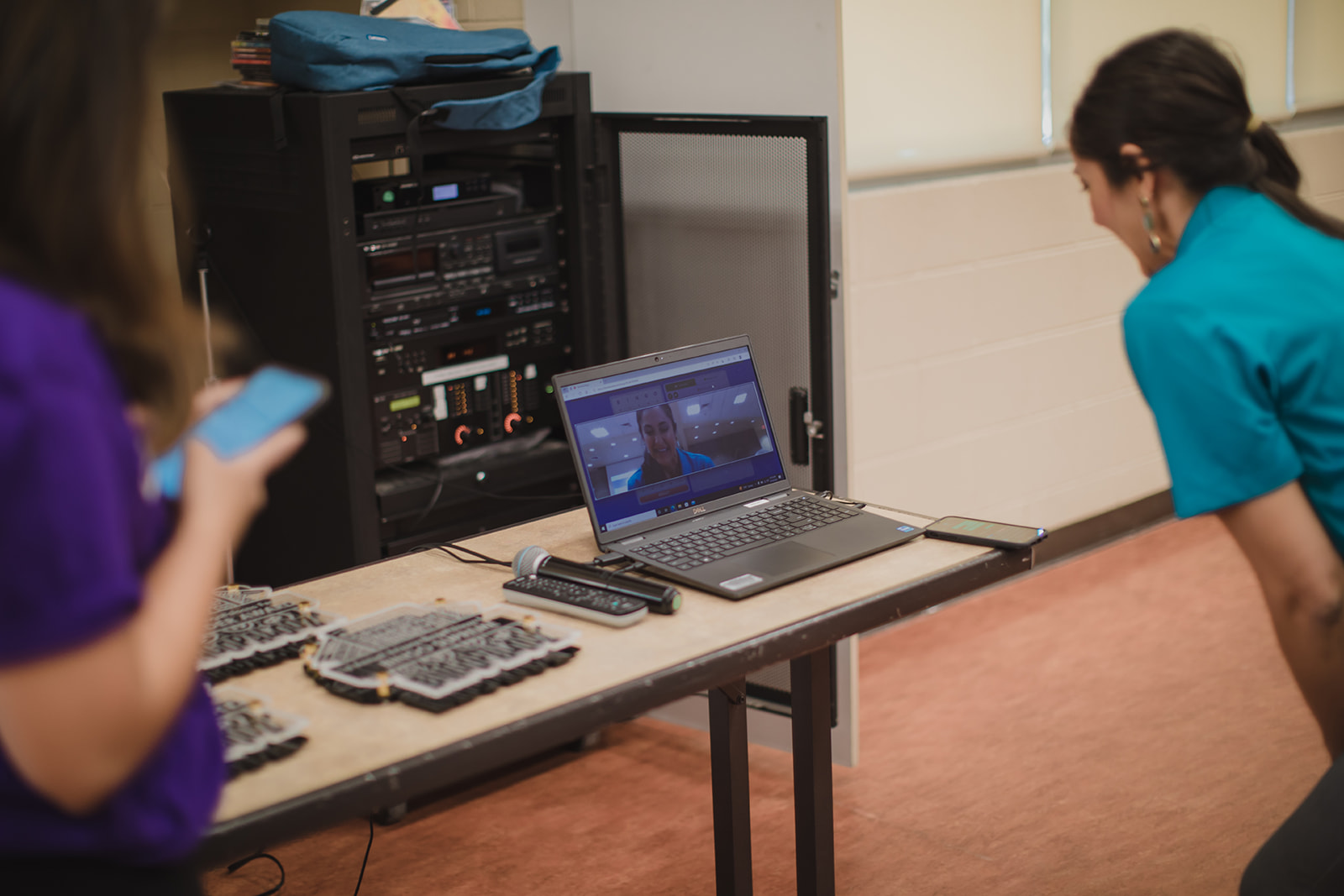
Veterans who join a Virtual Talking Circle are not patients. They are participants. They do not need a diagnosis, a VA enrollment number, or a referral. They need a space where someone who has been through what they have been through shows up consistently and listens.
That is what Peer Support Specialists do. And in communities where the federal government has historically been a source of harm rather than help, having a veteran from your own community as your first point of contact changes everything.
The Numbers Behind the Model
Televeda's outcomes are not projections. They are documented results from active programs.
From the Navajo Nation pilot through VA Mission Daybreak:
- 100% of participants reported feeling happier and more connected after participating
- 96% reported greater overall well-being
- 95% reported feeling less lonely
- 285 veterans were engaged through that single pilot
Across the broader program reach as of 2025:
- 2,100+ AIAN veterans engaged across Arizona, New Mexico, New York, South Dakota, and New Jersey
- 34% month-over-month retention in program
- More than 90% of participating veterans reported the program was helpful
- 100% of veterans requesting resources were successfully connected to VA or community care
- 4 VA Medical Centers actively involved
- 19 MOUs signed with tribes, VSOs, and VA-aligned partners
In 2023, the VA awarded Televeda first prize in the Mission Daybreak national suicide prevention competition: a $3.25 million federal award recognizing Hero's Story Talking Circles as best-in-class peer-to-peer suicide prevention infrastructure.
A VA-contracted pilot and expansion across women veterans, MST survivors, and tribal nations in Arizona and New Mexico launched in May 2025.
What "Upstream" Actually Means
The phrase "upstream intervention" gets used frequently in public health. It means reaching people before they are in crisis, before they need emergency services, before the cost and the pain have already peaked.
For the veteran populations Televeda works with, upstream means something specific. It means reaching a Native veteran on a reservation who has never had a VA appointment, not because the VA failed to offer one, but because the distance is prohibitive, the cultural environment is unwelcoming, and the trust is not there.
It means reaching a woman veteran who survived Military Sexual Trauma and does not feel safe in a mixed group setting. It means reaching a rural veteran who has broadband for the first time through the Roger That program's free Starlink kits, and whose first meaningful use of that connection is joining a Talking Circle with people who understand what he has been through.
These are the veterans who show up in suicide mortality statistics. They are not unreachable. They just need a different infrastructure.
The Path Forward
Hero's Story is not a program looking for evidence. It has evidence, active VA contracts, and the operational infrastructure to scale.
The model aligns across all five dimensions of the RE-AIM framework used in VA program evaluation: Reach into hard-to-reach subpopulations, demonstrated Effectiveness in validated outcomes, Adoption by VA Medical Centers and tribal partners, operational Implementation across multiple states, and sustained Maintenance through recurring programming and CHW follow-up. You can review our full case studies and resources for a deeper look at how the model operates across partner organizations.
For VA program offices, VHA innovation leads, contracting officers working on suicide prevention mandates, and partners in the tribal health and VSO space: this is what deployable, evidence-aligned, culturally competent suicide prevention infrastructure looks like.
The veteran who said "veterans helping veterans has been the most effective form of support" is not an outlier. He is the outcome the model is designed to produce — consistently, at scale, in the communities where the need is highest and the reach has historically been lowest.
That is the work. And it is already happening.






.svg)
.svg)