

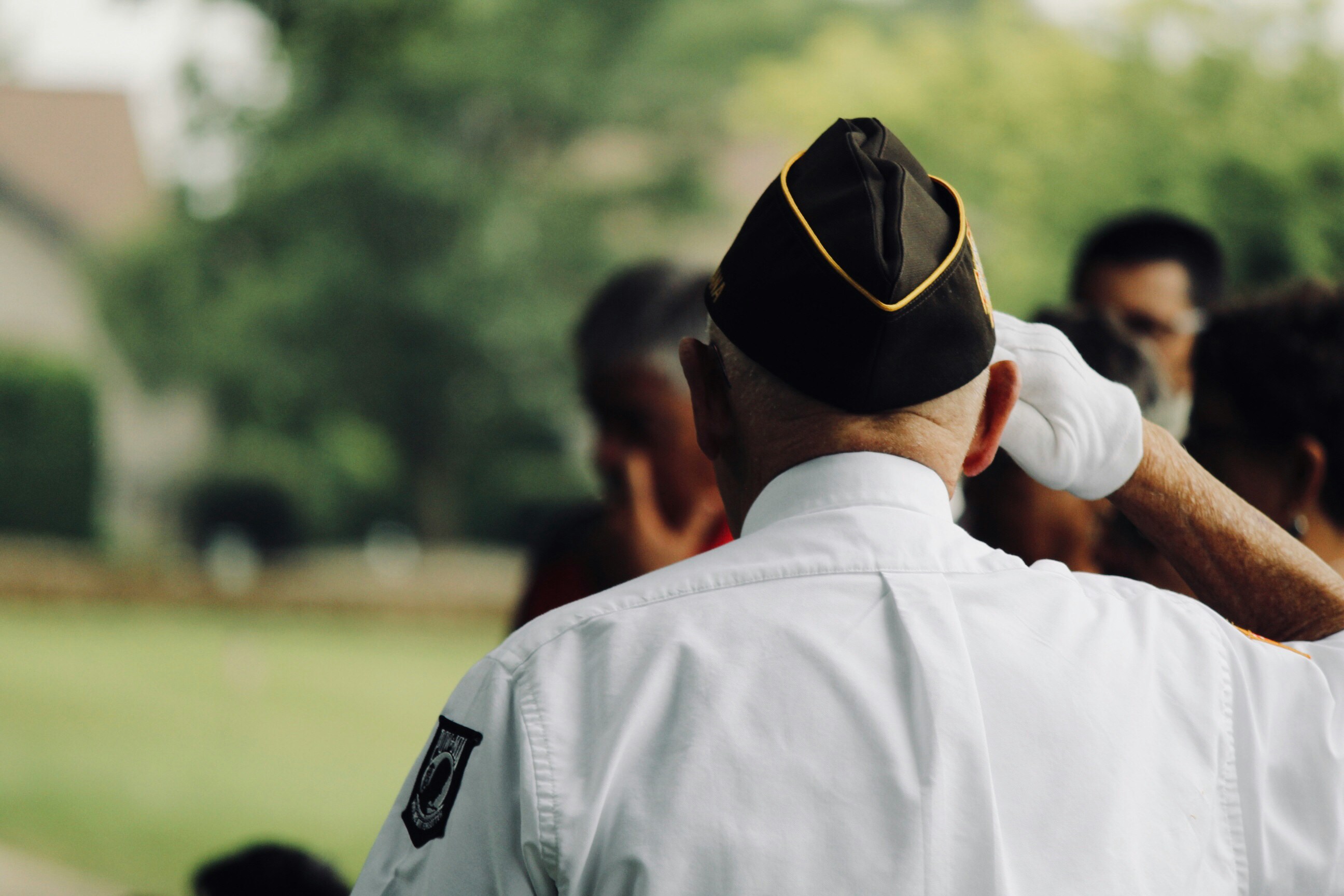
Every day, an estimated 17 veterans die by suicide in the United States.
The VA has invested significantly in clinical care, crisis lines, and mental health programming over the past decade. And those investments have saved lives. But the overall veteran suicide rate remains persistently high, and a significant portion of the veterans at greatest risk are the ones who never access VA care at all.
That is not a failure of clinical quality. It is a failure of reach.
The Hardest-to-Reach Are at the Highest Risk
American Indian and Alaska Native veterans serve at five times the national rate. They face the highest rates of PTSD and suicide of any veteran group.
The barriers are not primarily clinical. They are geographic, cultural, and relational. Distance from VA facilities, historical distrust of federal institutions, and the absence of culturally appropriate programming all keep services out of reach.
Women veterans face a parallel gap. Military Sexual Trauma survivors in particular face elevated suicide risk and are among the least likely to engage with traditional group-based VA programming. The environment does not feel safe. The models are not designed for them.
Any serious suicide prevention strategy for these populations has to start with trust, cultural competence, and community, not with a clinical appointment.
What Peer Infrastructure Changes
Televeda's Hero's Story Project was built specifically for this gap. It is the first culturally appropriate, evidence-informed, peer-to-peer mental health intervention designed for American Indian, Alaska Native, and BIPOC veterans.
The model merges traditional healing practices of storytelling and talking circles with evidence-based peer support. It is delivered both in-person and through Televeda's HIPAA-compliant virtual platform, making it accessible to veterans in rural and tribal communities who cannot travel to a VA facility.
Veterans are not required to have a diagnosis. They are not required to have a VA enrollment. They can join a Talking Circle the same way they might join any community gathering, and the peer facilitators who lead those circles are veterans themselves.
The Numbers Behind the Model
The results from Televeda's work with veteran populations are not projections. They are documented outcomes.
From the Navajo Nation pilot through VA Mission Daybreak:
- 100% of participants reported feeling happier and more connected
- 96% reported greater overall well-being
- 95% reported feeling less lonely
- 285 veterans engaged through a single pilot program
From the broader program reach:
- 2,100+ AIAN veterans engaged across Arizona, New Mexico, New York, South Dakota, and New Jersey
- 34% month-over-month retention in program
- More than 90% of participating veterans reported the program was helpful
- 100% of veterans requesting resources were successfully connected to VA or community services
- 4 VA Medical Centers actively involved
- 19 MOUs signed with tribes, VSOs, and VA-aligned partners
The program won first prize in the VA Mission Daybreak national suicide prevention competition in 2023, a $3.25 million federal award. A VA-contracted pilot and expansion across women veterans, MST survivors, and tribal nations in Arizona and New Mexico launched in May 2025.
The Roger That Program: Connectivity as a Prerequisite
Before a veteran can access a Talking Circle, telehealth appointment, or VA benefits counselor virtually, they need connectivity. For veterans on tribal lands and in rural Arizona, that has historically been a barrier that no amount of clinical investment could overcome.
The Roger That program, developed in partnership with the Arizona Department of Veterans' Services, addresses this directly. Through the program, veterans can access free Starlink internet and device kits at their local Veterans Services Office, meet with a Veteran Benefits Counselor, attend monthly Veteran Talking Circles, and access traditional healing services upon request.
As of 2025, Starlink infrastructure is being deployed across all 22 federally recognized tribes in Arizona. The program has outreached 250,000 at-risk veterans and family members and actively engaged 4,000 in services through the Mission Reconnect initiative.
This is what it looks like to close the gap between infrastructure and outcomes.
The Path Forward
Veteran suicide prevention requires more than clinical capacity. It requires the trust, cultural competence, and sustained community engagement that peer infrastructure provides.
Televeda is not a crisis line. We are not a replacement for clinical care. We are the upstream engagement layer that reaches veterans before they reach crisis, connects them to VA services they are not currently accessing, and sustains that connection over time.
The evidence is documented. The partnerships are in place. The technology is compliant and deployable.







.svg)
.svg)