


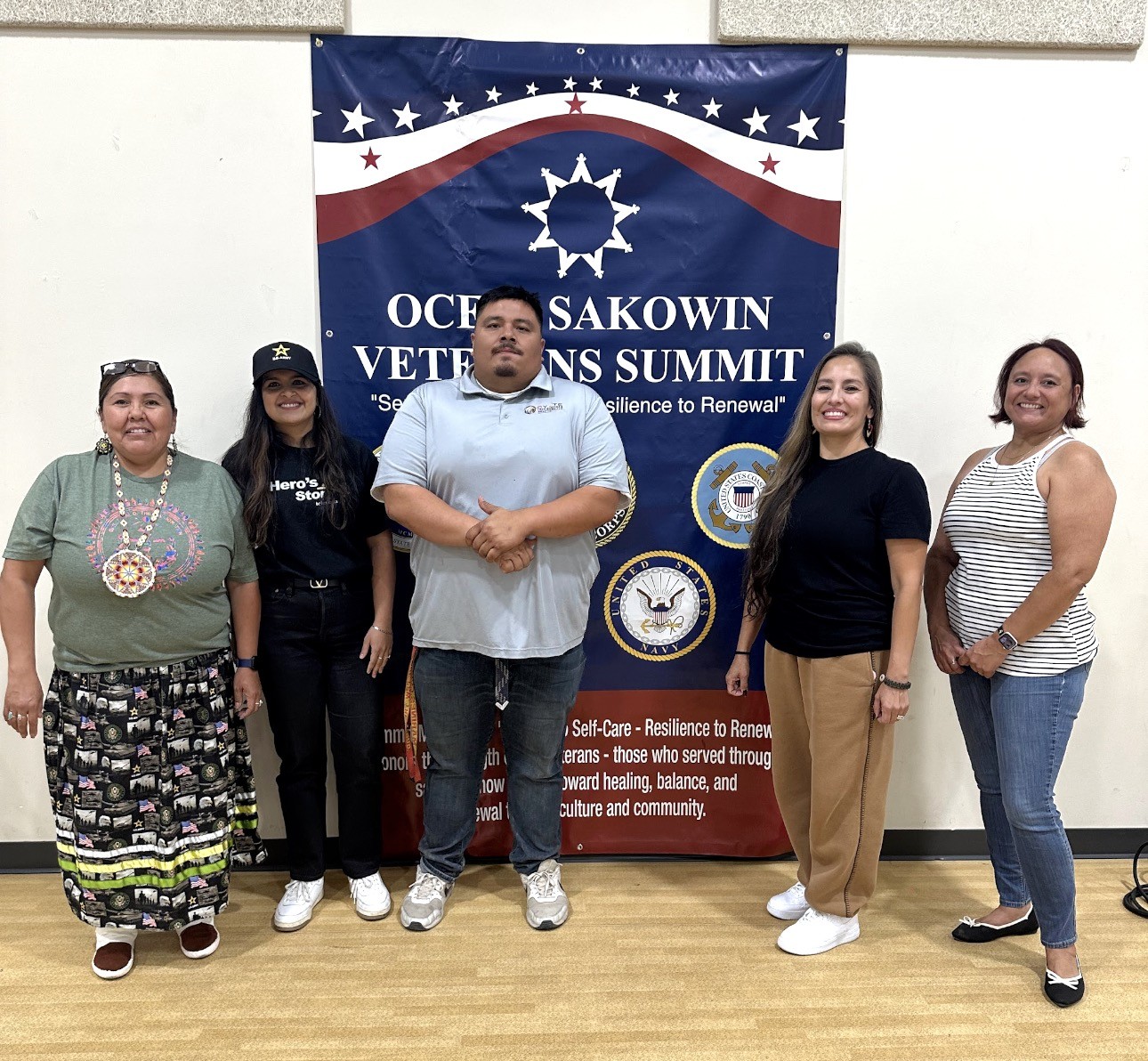
Are the voices of our veterans being heard? If you listened closely, you heard many of them on Veterans Day. Some voices, however, are harder to hear than others, and in our experience, some of the quietest belong to American Indian and Alaska Native (AI/AN) veterans.
We don’t think it’s because they have little to say. After all, AI/AN people serve in the Armed Forces at five times the national average, and more than 150,000 AI/AN veterans live in the U.S. today. You’d be hard pressed to find a tribal community whose veterans aren’t held in deep honor. But their voices, quite frankly, don’t carry as far as they should beyond their communities. Even in the published reports that help shape how this nation cares for its veterans, they aren’t always reported on clearly and consistently.
With Veterans Day and Native American Heritage Month falling in the same month, we must be intentional and thoughtful about helping those voices carry further, so these veterans truly feel seen and heard.
A Closer Look at American Indian and Alaska Native (AI/AN) Veterans
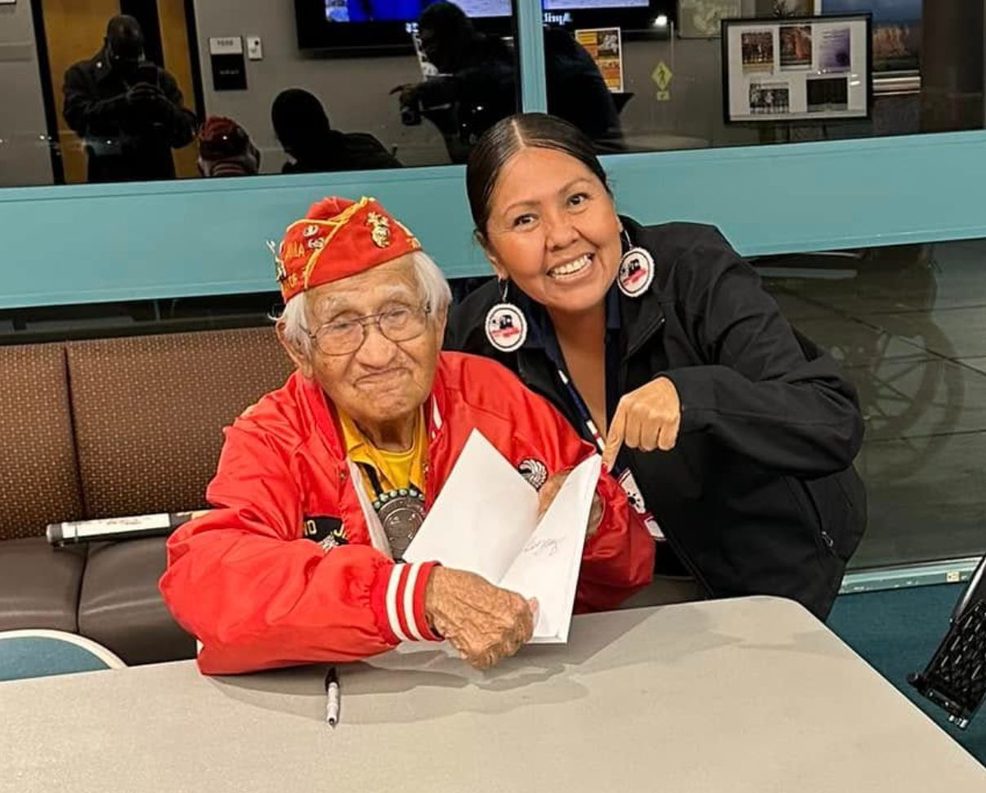
What some people may not know is that AI/AN veterans’ record of service is older than the U.S. itself. Native people have served in uniform since the Revolutionary War and in every major conflict since. Most Native Americans weren’t granted citizenship until 1924, yet thousands served anyway, including a group of Choctaw soldiers who became the nation’s first official military Code Talkers during World War I.
You might wonder why so many Native people choose to serve given the country’s history of cultural suppression and erasure. Ask them, and many will tell you it’s about patriotism, and protecting their people and their homelands. That commitment has never wavered.
Seen at Home, Overlooked Elsewhere
At home, AI/AN veterans are honored at powwows, ceremonies, and gatherings that help bring healing. Beyond those communities, however, they aren’t always seen, including in the data that shapes how the nation cares for its veterans.
When they are reported on, the data is harrowing. In 2023, AI/AN veterans had the highest suicide rate of any racial or ethnic group of veterans. Those numbers are real people who served, and whose communities miss them deeply. But as we mentioned, AI/AN veterans aren’t always reported on clearly and consistently. When they aren’t distinctly named in reports alongside other groups, as they have been in years past, their experiences can get lost. How race is recorded can add to that, folding some Native veterans into broader groups where they’re harder to see.
Whatever the reason, a community this strong and valiant deserves to be counted, and deserves to be seen.
Who’s Lifting Them Up
We’re deeply grateful for the people and organizations leading the way to make sure AI/AN veterans’ voices don’t go unheard. Their work shows what’s possible, and we’re honored to share their recent impact:
- Being Heard: Native-led organizations are at the heart of this work. After nearly 20 years of advocacy, National American Indian Veterans (NAIV) became the first Native American veterans organization ever granted a congressional charter. Last October in Palm Springs, NAIV successfully advanced a resolution to reinstate the Secretary of Veterans Affairs Tribal Advisory Committee. That would give the people closest to Native veterans’ needs the opportunity to speak directly with the leaders making decisions about their care.
- Being Seen: The VA is part of this work as well, often by meeting Native veterans where they are. Through its Native American Direct Loan program, it helps Native veterans buy, build, or renovate homes on their own tribal lands. The VA has signed 118 Memorandums of Understanding with tribal governments since its inception to expand access to tribal communities nationwide. Last December, program staff attended the Lakota Nation Invitational in Rapid City, South Dakota, where they helped veterans navigate the process and start their applications. They also visited new homes being built on the Rosebud Indian Reservation.
- Being Supported: In a story close to home, devastating floods hit the Navajo Nation over two consecutive weekends, displacing many Native veterans and their families. In response, the Arizona chapter of the Disabled American Veterans (DAV) turned its planned benefits seminar into a full relief effort. Volunteers served 175 members of the veteran community and provided $118,000 in emergency financial assistance. They also handed out food, water, clothing and other supplies, while service officers helped veterans and surviving spouses work through their VA claims.
What Can Be Done to Make Their Voices Louder?
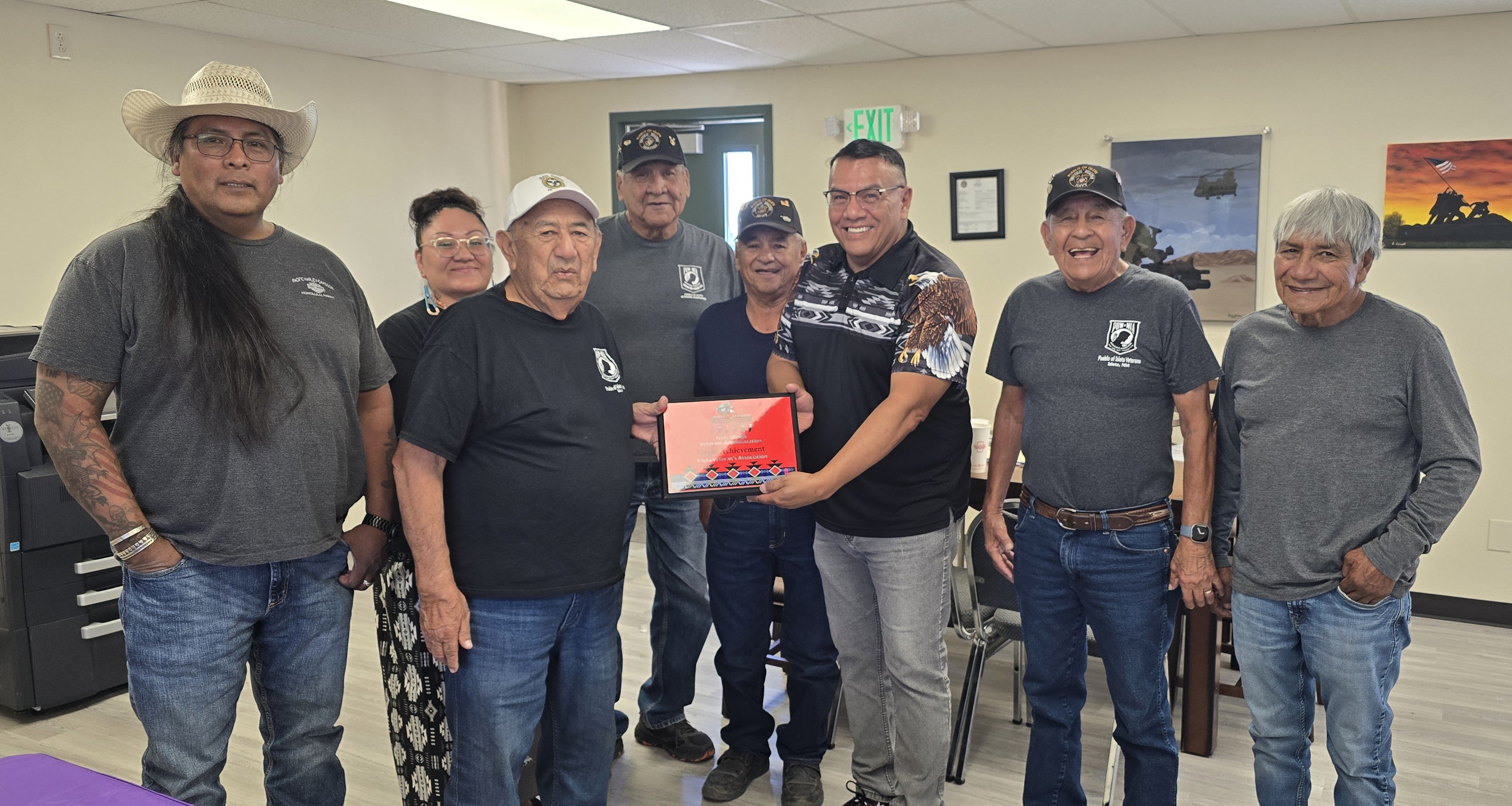
NAIV’s decades of advocacy, the VA’s presence at the Lakota Nation Invitational, and every Navajo family who got help after the floods are powerful stories of AI/AN veterans being seen, heard, and supported. We’re proud of these organizations, and the many others, who have invested in their care and shown that these veterans truly matter.
But all of that meaningful work depends on knowing who needs help and where. When AI/AN veterans aren’t reported on clearly and consistently, their needs become easier to overlook, and too often go unnoticed until they become urgent.
Reporting on AI/AN veterans consistently will take time and partnership. But while that work continues, the least we can do is make sure they never have to wait to be heard. We think there’s a lot to learn from tribal communities themselves, and from how they celebrate their veterans. For our part, we’re continuing our commitment to listening closely, sharing their stories more widely and standing alongside the Native-led organizations, tribes, and partners already doing meaningful work. They deserve to know, without question, that their country sees them, just as their own communities always have.
If you or a veteran you love is struggling, call 988 and press 1, or text 838255, to reach the Veterans Crisis Line any time.