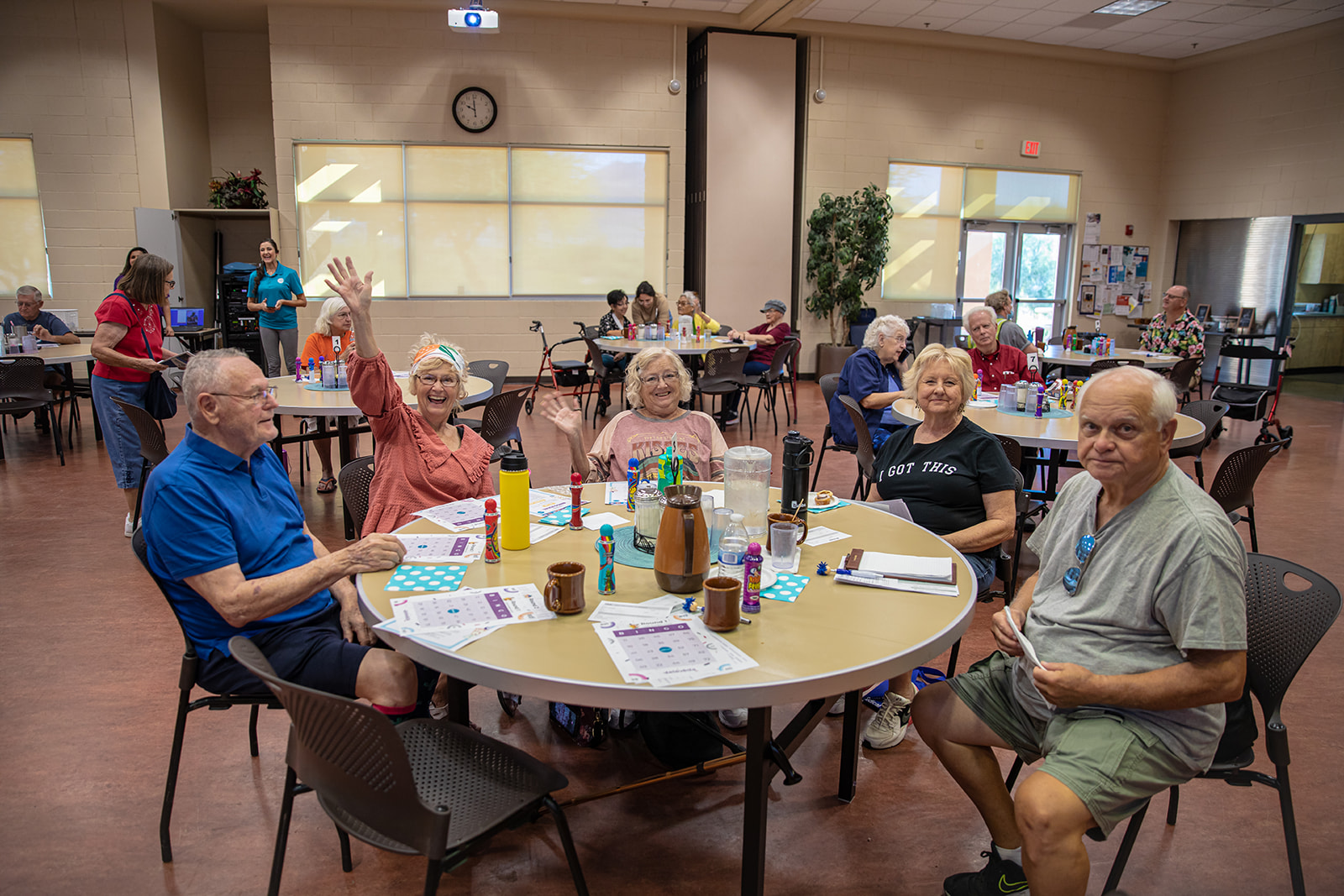
Televeda partners with government and public agencies to deliver culturally grounded, trauma-informed programs that build community wellbeing, without adding operational burden to your team.
Televeda's fully managed model delivers structured social engagement and peer-to-peer programming to isolated, aging, and underserved populations, in-person, remotely, and in-home. Agencies gain a trusted implementation partner without adding staff.
From state aging agencies and tribal governments to VA medical centers and public health departments, Televeda operates as an extension of your program infrastructure: measurable, accountable, and built for communities that are hardest to reach.
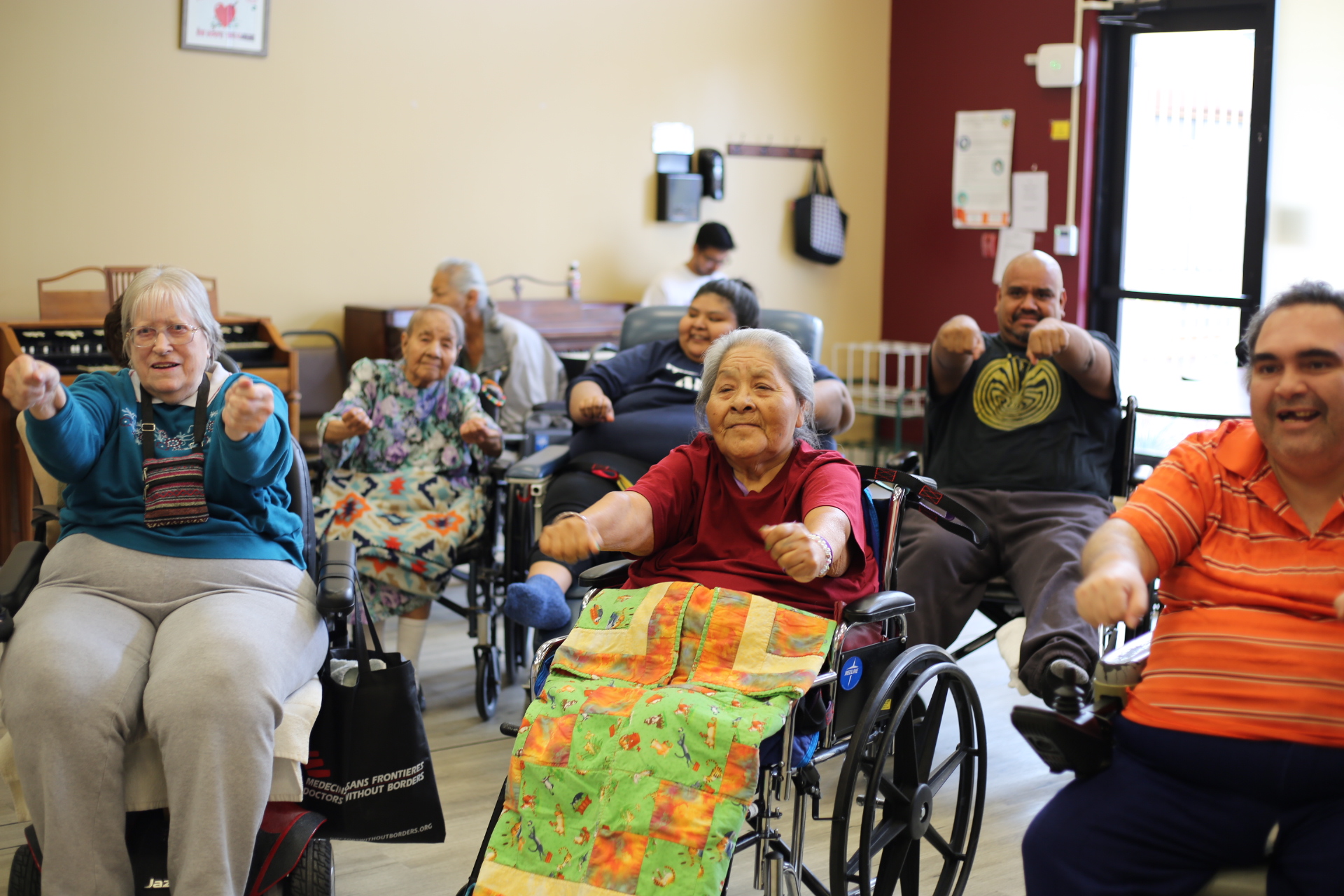
From accountability metrics to constituent trust, Televeda's programs are designed around what government partners need to demonstrate to funders, constituents, and communities.
We engage rural, aging, and underserved populations through trusted, culturally responsive programs delivered within their community, in-home, in-person, and remotely. No downloads required, no digital literacy barriers.
Agencies gain clear data reporting and outcomes metrics to demonstrate ROI, effectiveness, and strategic priorities. This supports accountability to oversight bodies and justification for continued or expanded funding.
Through culturally competent, accessible programs and proven community results, Televeda helps agencies improve constituent satisfaction, reduce institutional distrust, and demonstrate genuine community investment.
Televeda's Hero's Story Talking Circles are the first culturally appropriate, evidence-informed peer-to-peer mental health intervention designed specifically for American Indian, Alaska Native, and BIPOC veterans, the group that serves at five times the national rate and faces the highest PTSD and suicide risk of any veteran population.
The program merges traditional healing practices of storytelling with evidence-based peer support and is delivered through Televeda's HIPAA-compliant platform, accessible to veterans in rural and tribal communities who cannot travel to a VA facility.

Televeda's work is embedded in state-level health improvement frameworks, Medicaid procurement responses, and tribal government partnerships. Our programs map directly to priority areas in AzHIP, ALTCS/AHCCCS requirements, and VA innovation pipelines.
The Roger That program, developed with the Arizona Department of Veterans' Services, addresses digital access as a prerequisite to care, providing connectivity and device support so veterans on tribal lands can reach telehealth, Talking Circles, and VA benefit counselors virtually.
Talk to Our Government TeamTeleveda's peer support and community engagement model is included in the MercyCare ALTCS procurement response, demonstrating alignment with Arizona's long-term care social needs priorities.
View ALTCS Response ↗Social isolation and community wellbeing are explicit priorities in the AzHIP 2024–2025 Detailed Action Plan. Televeda's programming addresses the social determinants and connectivity gaps identified in the plan.
View AzHIP Action Plan ↗Televeda's Hero's Story program was highlighted as a first-place winning innovation in the VA's national challenge to reduce veteran suicide, recognizing it as scalable peer-to-peer infrastructure for underserved veteran populations.
Read the Luminary Labs Profile ↗A commissioned independent study examining the impact of structured online group activities on social isolation and wellbeing in older adults, directly informing Televeda's programming model.
RAND's independent research on community-based engagement programs and their role in addressing social isolation among vulnerable populations, supporting the evidence base for scalable peer-to-peer models.
The VA's annual data report on veteran suicide, which featured Televeda's Hero's Story program as a recognized innovation in community-based prevention infrastructure.
VA Mission Daybreak's official team profile documenting Televeda's first-place win in the $20M national grand challenge to reduce veteran suicide, including milestones, partnerships, and program outcomes.
Social disconnection isn't a soft outcome. It's a performance and retention problem with measurable downstream costs. Most behavioral health interventions activate too late. What's needed is upstream peer infrastructure.
17 veterans die by suicide every day. The VA has invested in clinical care, but the veterans at greatest risk are the ones who never access VA care at all. The gap is one of reach, not quality.
Talk to our government partnerships team about how Televeda can support your agency's social wellbeing goals, from tribal nations and veteran services to aging programs and public health initiatives.