


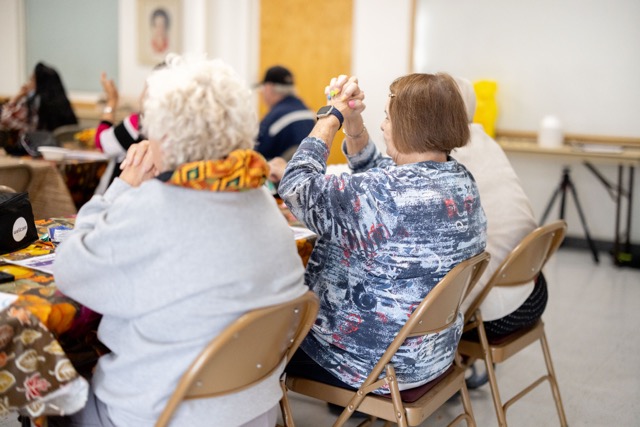
Loneliness has long been treated as a quality-of-life issue, something sad but ultimately soft, outside the scope of hard budgets and health outcomes. The numbers tell a different story. Social isolation among older adults is a measurable financial liability, and closing it is one of the higher-return investments available in aging services today.
What isolation actually costs
Start with the federal picture. According to a 2017 AARP Public Policy Institute analysis, a lack of meaningful social contact among older adults adds an estimated $6.7 billion in excess Medicare spending every year, a burden comparable to what Medicare spends on arthritis, heart disease, high blood pressure, and diabetes combined. Zoom out further and isolation's drag on the broader U.S. economy has been estimated at roughly $406 billion a year.
That $6.7 billion isn't an abstraction, it shows up at the individual level too. Senate research on the Addressing SILO Act found that federal Medicare spending runs about $134 more per month for every socially isolated older adult, and a Stanford-affiliated study published in the Journal of Aging and Health found that objectively isolated beneficiaries cost Medicare $1,644 more per person annually, driven mainly by higher rates of hospitalization and nursing home admission. The same study found isolated seniors faced a 31% greater risk of death, even though they were consuming more healthcare, not less. Isolation doesn't just cost more. It costs more while producing worse outcomes, which is the exact combination that should worry anyone managing a health budget.
Why isolation drives cost instead of just discomfort
The mechanism isn't mysterious once you look at it as a health condition rather than a mood. Isolated older adults are more likely to delay care until a small problem becomes an emergency room visit. They're more likely to fall, and more likely to have no one notice quickly when they do. They're more likely to skip medications, under-eat, or over-drink, and more likely to decline cognitively without anyone catching the early signs. Every one of those pathways ends in an inpatient bed or a skilled nursing facility, which are the two most expensive places in the entire healthcare system to end up.
Put simply: isolation compounds utilization. The savings from "prevention" aren't hypothetical, they're the difference between a $50 wellness check and a $15,000 hospital stay.
Where the return shows up
For health systems, and payers, the ROI case for isolation-reduction programs tends to show up in a few concrete places:
- Fewer avoidable hospitalizations and readmissions. Regular social contact correlates with earlier detection of health changes, so problems get caught at the check-up stage instead of the ER stage.
- Delayed or avoided nursing home placement. Since institutional care is the single largest cost driver tied to isolation, keeping people safely and confidently at home for longer is where the biggest dollar savings concentrate.
- Better medication and care-plan adherence. People with someone checking in on them are more likely to actually follow through on what their doctor told them to do.
The intervention side of the equation
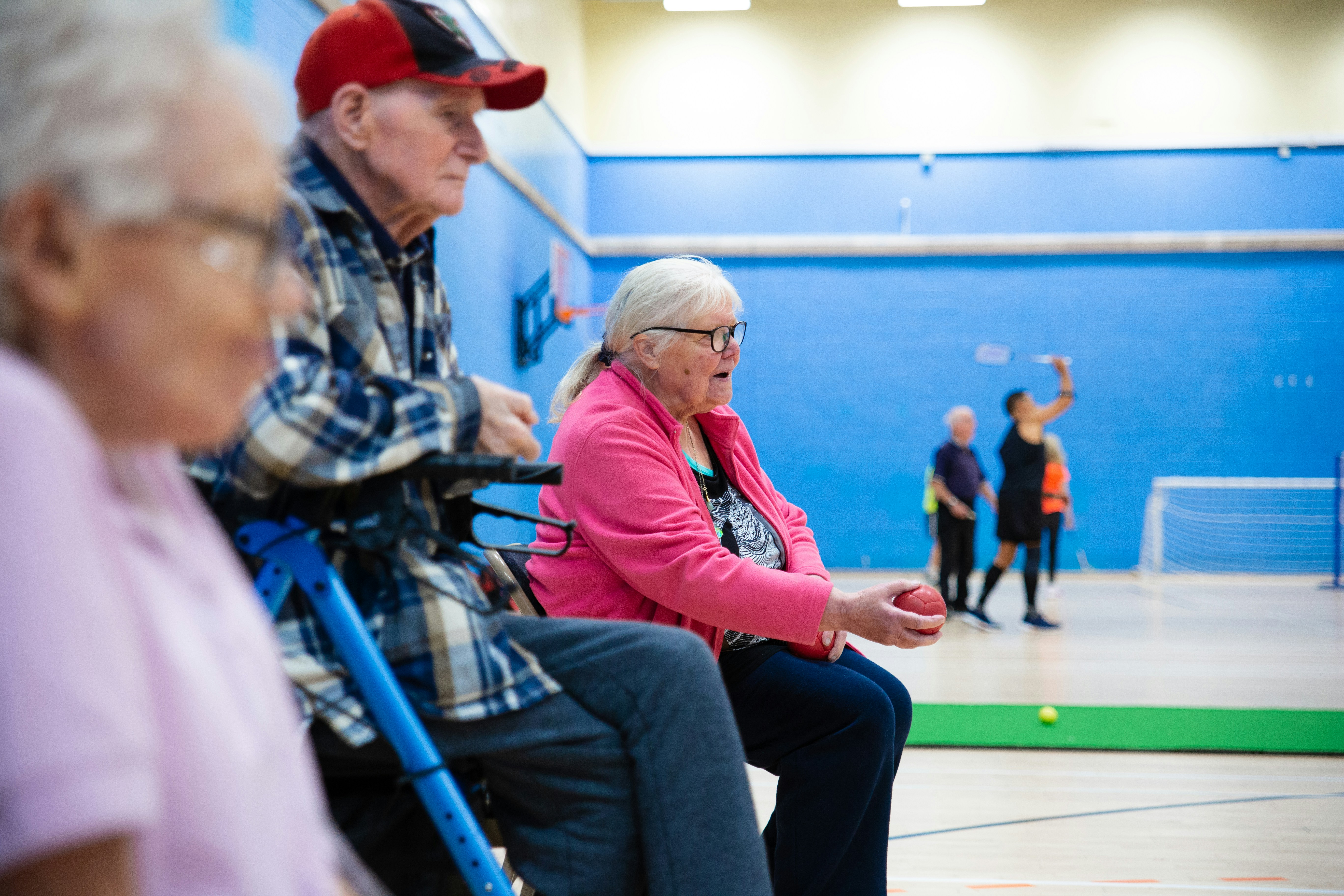
None of this works if "reducing isolation" means a pamphlet or a one-time phone call. The programs that actually move the cost needle tend to share a few features: they're recurring rather than one-off, they're social rather than purely clinical (games, group conversation, shared activities), and they're accessible to people regardless of tech comfort or mobility. The federal Addressing SILO Act, which proposes $62.5 million annually for training and outreach through Area Agencies on Aging, is built around that same logic i.e, isolation is treated as a preventable condition worth funding proactively, not an inevitability to manage after the fact.
This is also where digital exclusion compounds the problem. A recent meta-analysis reviewing 34 studies on social isolation and digital exclusion in older adults found that social support from family, friends, and community consistently promotes more active lifestyles, and concluded that connection and physical activity should be treated as inseparable when designing interventions, not siloed into separate "social" and "physical health" programs. That's a meaningful point for anyone building a solution in this space. A program that gets someone moving but keeps them isolated, or one that connects people without ever getting them off the couch, is leaving half the return on the table.
What this looks like in practice
The theory holds up against real deployments, including our own. In a case study Televeda published with MIT Solve, partner communities reported a $2,880 reduction in monthly labor costs, a 900% increase in attendance within 12 weeks, and 45% re-socialization of residents who had been objectively identified as isolated, a shift estimated to potentially rescue $1.5 million in overall resident lifetime value for one partner community. Every one of those numbers maps directly onto the cost drivers described above i.e., less staff time spent on manual coordination, fewer residents drifting into the kind of isolation that precedes a hospitalization or an early move to skilled nursing.
The same logic scales beyond senior living. Through partnerships with health plans, Televeda's low-barrier programming, things like bingo and community games, has been used to engage traditionally unreachable members (or UTR (unable to reach)), and build the kind of consistent member engagement that also supports higher Health Risk Assessment (HRA) completion rates and closes HEDIS gaps, which points to real, downstream cost avoidance for payers, not just better mood scores.
The bottom line
Every dollar spent addressing social isolation is competing, whether anyone frames it that way or not, against the dollars that will otherwise get spent later on an ER visit, a hospital stay, or a nursing home bed. The research increasingly suggests that's a favorable trade i.e., modest, recurring investment in connection against large, compounding costs from disconnection. For health systems and payers looking for interventions with a real, measurable return, this is one of the clearer cases available.
At Televeda, this is the case we've been building toward for years. A recurring, communal programming intervention designed to keep older adults connected, active, and engaged, not as a nice-to-have, but as a genuine lever on health outcomes and cost.
If you're weighing where isolation-reduction fits into your organization's budget or care model, book a free demo to see how it works in practice.
The Rundown
- Social isolation among older adults costs Medicare an estimated $6.7 billion a year, on par with what's spent on arthritis, heart disease, high blood pressure, and diabetes.
- Isolation's drag on the broader U.S. economy runs an estimated $406 billion annually.
- Isolated seniors cost Medicare about $134 more per month each, and objectively isolated beneficiaries cost $1,644 more per year, mostly from hospitalizations and nursing home stays.
- Those same isolated seniors face a 31% higher risk of death, despite using more healthcare, not less.
- The mechanism is deferral, not prevention: isolation delays care until small problems become expensive emergencies.
- Interventions that work are recurring, social, and accessible, not one-off check-ins, and research increasingly shows connection and physical activity should be designed together, not separately.
- In our own programs, partner communities saw a $2,880 monthly reduction in labor costs, a 900% increase in attendance within 12 weeks, and 45% re-socialization of objectively isolated residents.
- The takeaway: modest, ongoing investment in connection is cheap against the compounding cost of disconnection.



.jpeg)





.svg)
.svg)